
Alumni
Filter by Discipline
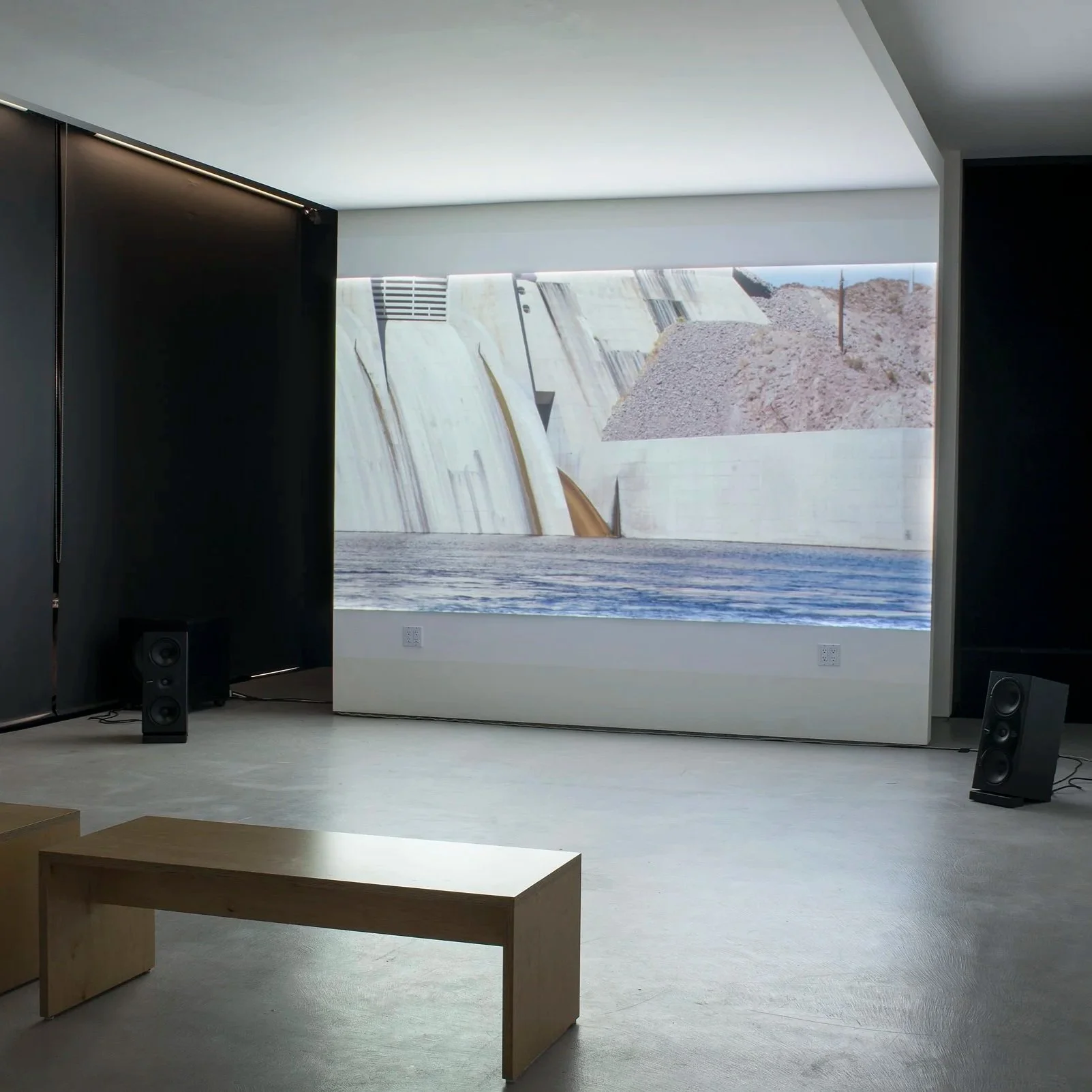
Katrin Hornek
Katrin Hornek (1983) lives and works in Vienna. She studied Performative Art and Sculpture at the Academy of Fine Arts Vienna and the Royal Danish Academy of Fine Arts. Her work playfully engages with the strange paradoxes and convergences of living in the age of the geologic Anthropocene, where the effects of capitalism, colonialism, and extractivism are written into the body of the earth. Both her artistic and her curatorial practice assert an understanding of the entwinement of nature and culture, implicitly arguing for more complex formulations – most recently, at secession, Vienna (2024), ar/ger Kunst, Bolzano (2021), Kunstraum Lakeside, Klagenfurt (2021), the Riga Biennale (2020), Hysterical Mining at Kunsthalle Wien (2019), and I: project space, Beijing (2018).
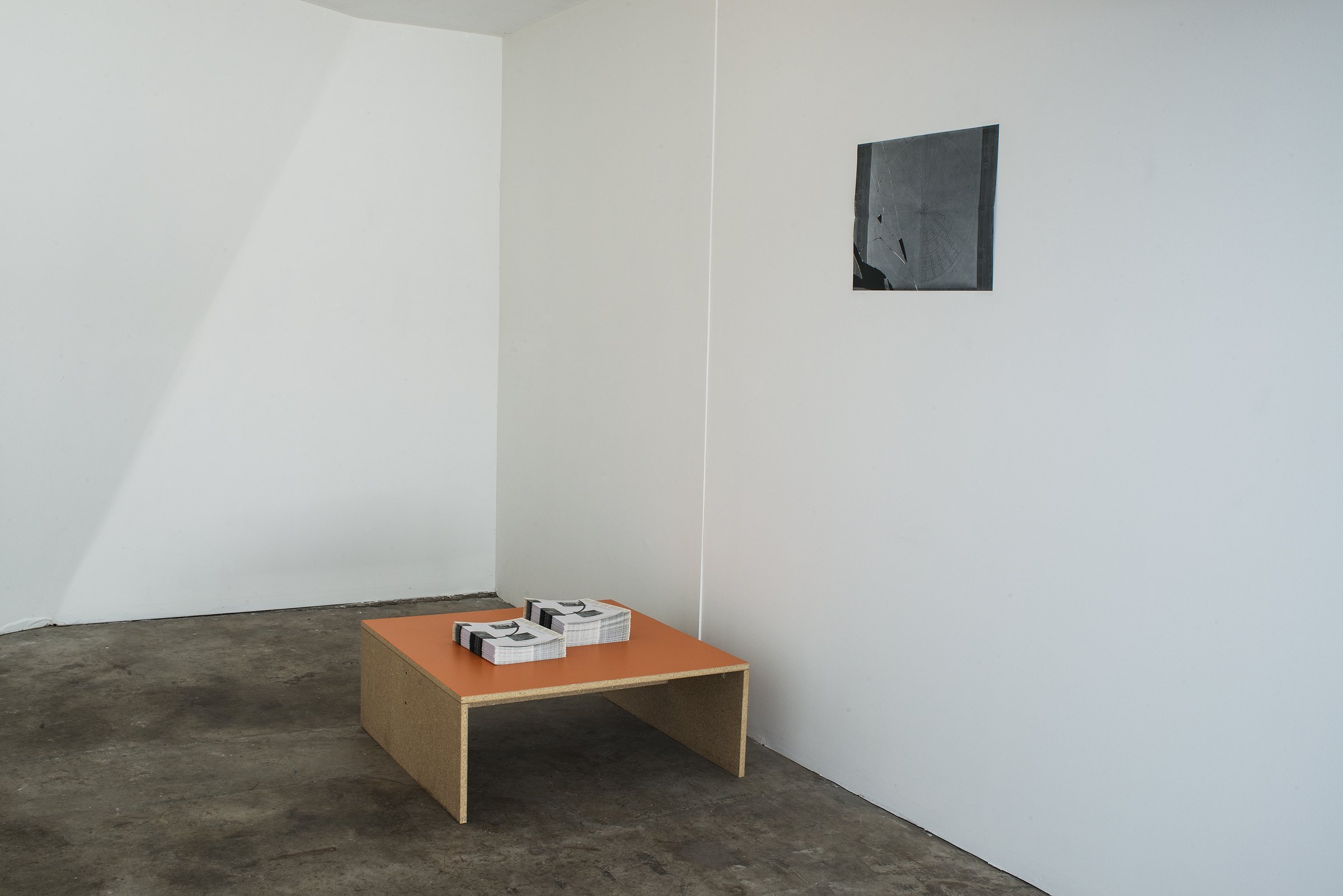
Julia Wieger
Julia Wieger works in art and architecture. Her work is concerned with queer feminist productions of space, archive politics, and history writing, as well as collective approaches to research, knowledge production, and design. From 2015-18, she worked as senior scientist at the Institute for Art and Architecture and from 2014-16 for the transdisciplinary research project “Spaces of Commoning” at the Academy of Fine Arts Vienna. From 2012-17 she was a member of the board of VBKÖ – an artist run queer feminist art space in Vienna. Together with Nina Höchtl, she founded the working group Secretariat for Ghosts Archival Politics and Gaps in 2012.
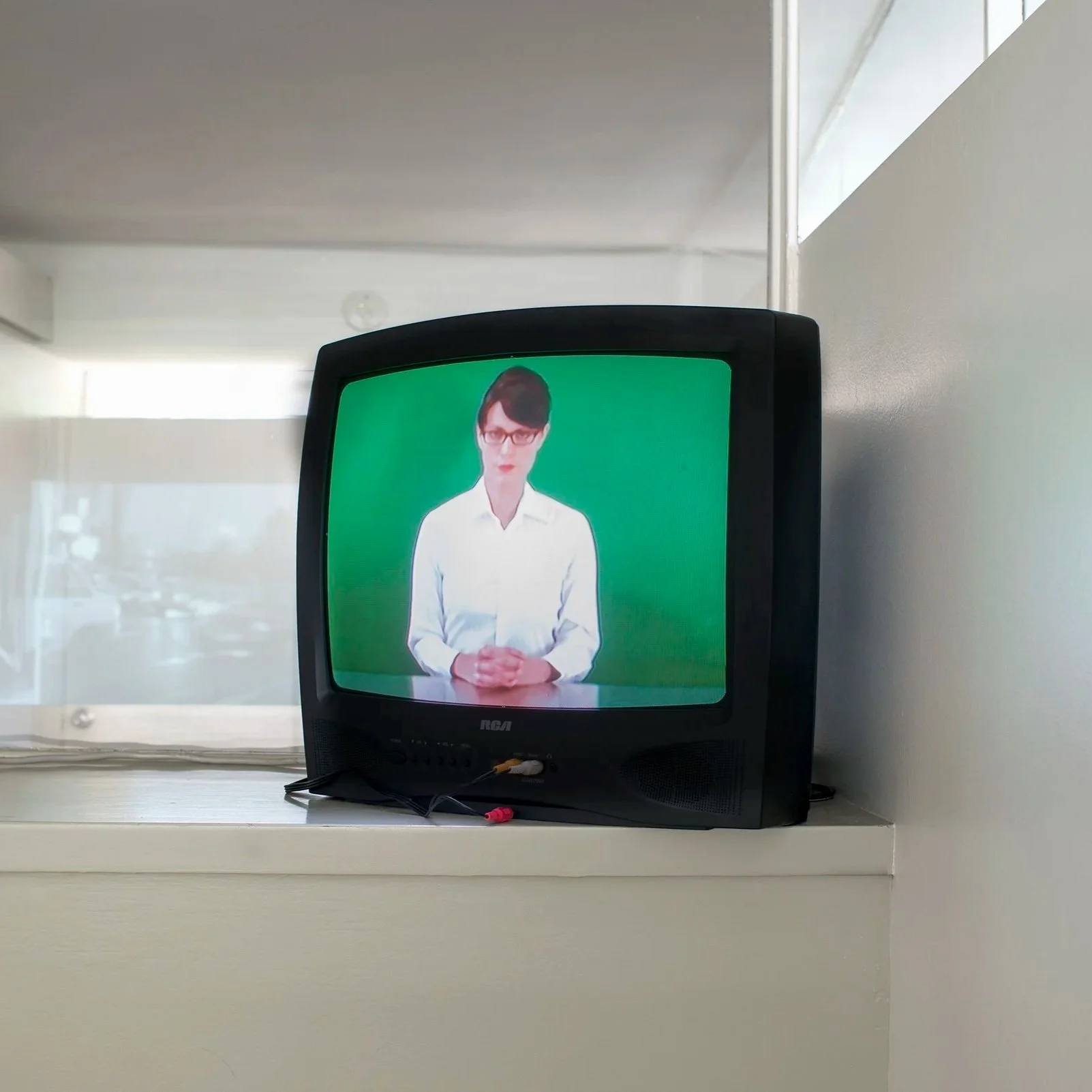
Anahita Razmi
Born in 1981 in Hamburg, Germany, Anahita Razmi is a digital and performance artist. She mines her Iranian cultural heritage and appropriates iconic works of art—particularly those of feminist artists—bringing to them a new Eastern context. She is best known for Roof Piece Tehran (2011), a video installation for which Razmi recreated Trisha Brown’s seminal 1971 work Roof Piece, filming 12 dancers not on the rooftops of New York but on those of Tehran—a reference to the rooftop demonstrations during Iran’s 2009 election protests. “My works are always conceptual and political but they also have a sense of humor,” she has said.
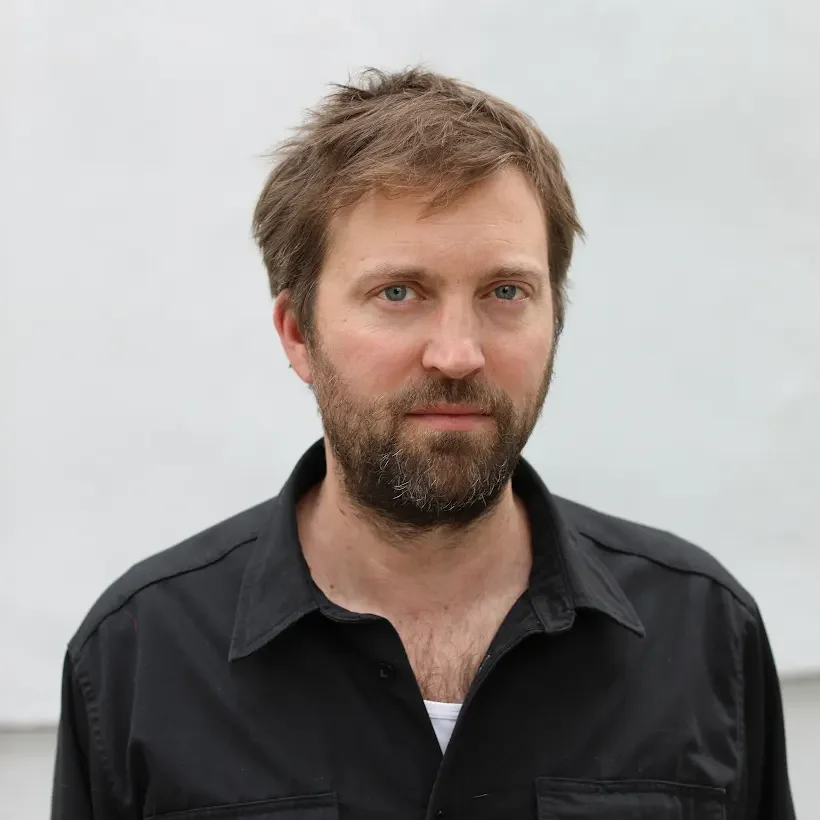
Benjamin Hirte
Benjamin Hirte’s work explores cultural history and the construction of public and private space. By modifying signs of use and consumption, his minimalist objects foreground materiality, function, and the coded nature of reality.
Benjamin Hirte, born in 1980 in Aschaffenburg, lives and works in Vienna and Berlin. His artistic practice encompasses sculpture and text. He has been a fellow of the Schindler Residency Program in Los Angeles and the German Academic Scholarship Foundation. He also received the Austrian State Scholarship for Fine Arts and a residency grant at the ISCP in New York.