
Alumni
Filter by Discipline
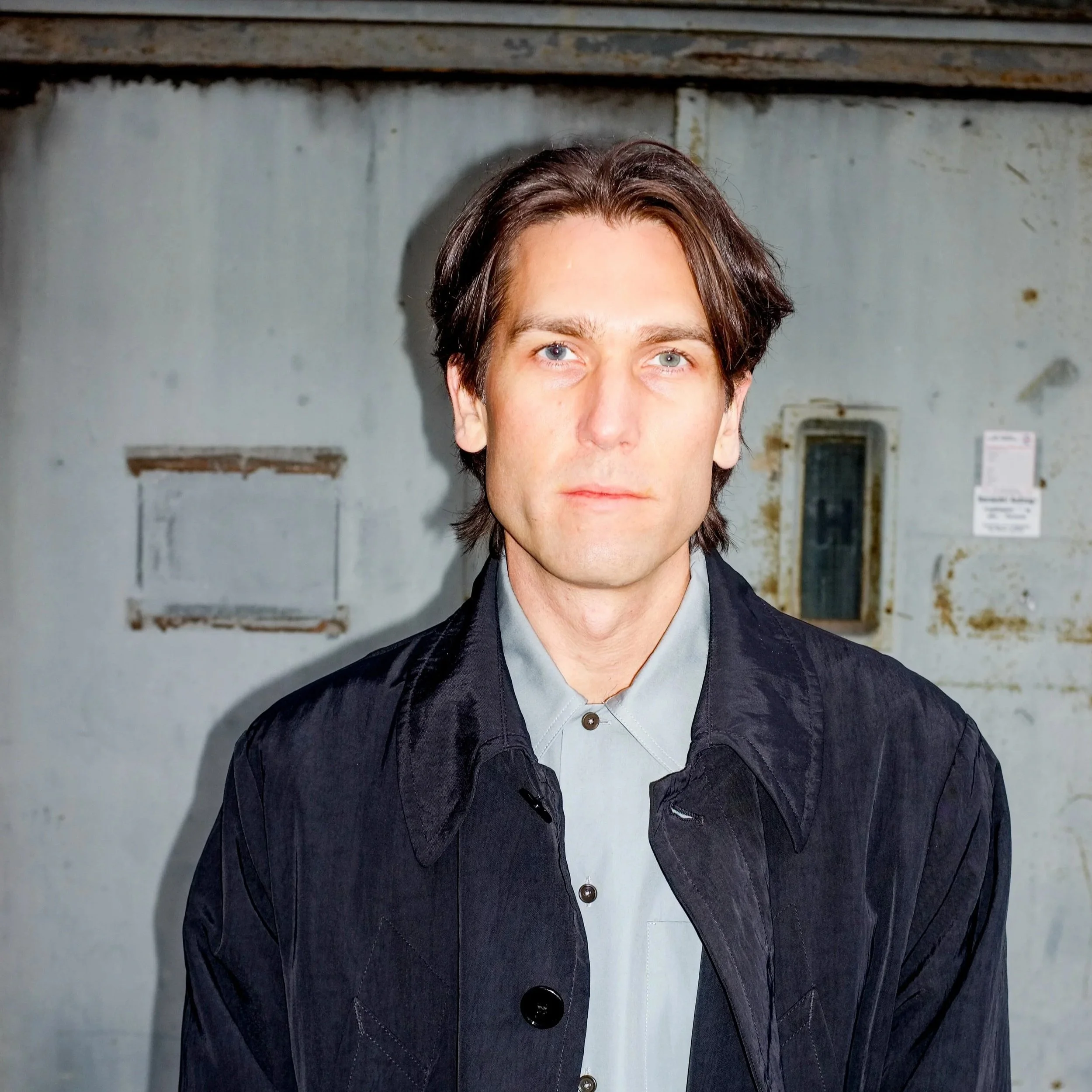
Daniel Springer
Daniel Springer is an architect, educator, and artistic researcher based in Berlin. His studio practice is called Fragmentographic Studio, through which he pursues a transdisciplinary and pluriversal approach to designing, making, and thinking due to rapidly changing working environments. In his spatial and artistic practice, he explores the terrain of architecture and the arts through processual aesthetics, ad hoc appropriations of the pre-existing, and conceptual interpretations of the meaning of sculpture. Following his studies in architecture at the University of Technology Vienna, the Academy of Fine Arts Vienna, and the State Academy of Art and Design Stuttgart, he has collaborated on numerous projects with a variety of architecture and artist studios, as well as cultural institutions in Germany and abroad. He has received various scholarships for residency and research (e.g., MAK Schindler Scholarship, Bauhaus LAB Fellowship, DAAD), and his work has been published in several magazines (e.g., Bauhaus Taschenbuch, Horizonte Magazine, PLAT Journal). In addition to his professional experience, he has also worked as an assistant professor at two architecture faculties in Germany, the Leibniz University Hannover and the HafenCity University Hamburg, where he taught at the intersection of architecture and the arts. In 2025, he completed his Ph.D. in architecture and the arts, contributing to the field with a study on the aesthetics and epistemologies of fragments in artistic research.
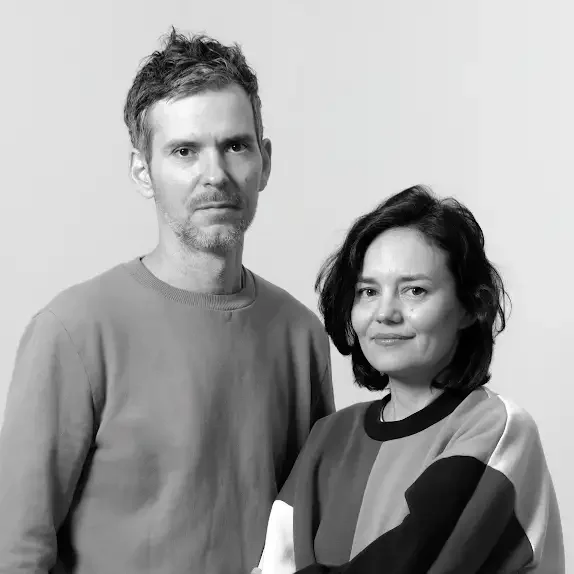
Arnold Estefan
Arnold Estefan and Anca Benera have collaborated as an artist duo since 2012, working between Vienna and Bucharest. Their practice spans multimedia installation, sculpture, and drawing, exploring how the military imagination shapes landscapes, climates, and communities, including its ties to extractive industries.
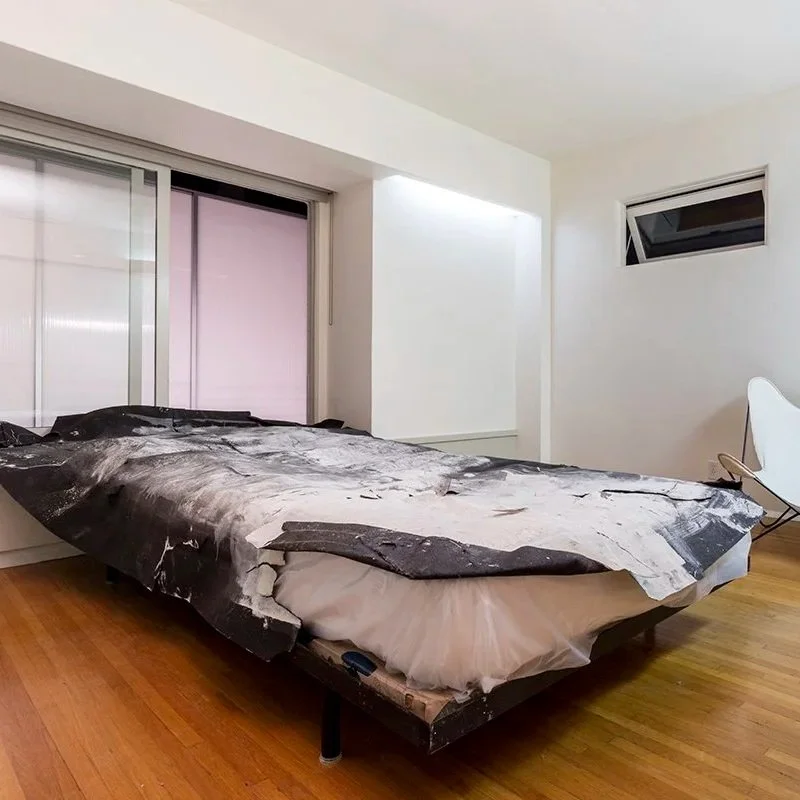
Thea Moeller
Thea Moeller (*1985 in Hanover) is a sculptor living and working in Vienna. She graduated from the Academy of Fine Arts Vienna in 2014, after earlier studies in Nuremberg. She has received several residencies and fellowships, including the Lenikus Studio Grant (Vienna, 2014), the MAK Schindler Scholarship (Los Angeles, 2015/16), and the OOE Artist and Scientist in Residence Program at the Austrian Cultural Forum in Rome (2022).
Her work has been shown in solo and duo exhibitions at venues such as Wonnerth Dejaco and Stiege 13 in Vienna, Martinetz in Cologne, Deborah Schamoni in Munich, and Venice 6114 in Los Angeles. She has also participated in group exhibitions at the Basel Social Club, Salzburger Kunstverein, Center for Contemporary Art Tbilisi, OK Linz, and others.
Moeller occasionally teaches and curates. From 2012–19, she co-directed the artist-run space Ve.Sch, and initiated annual group exhibitions in unique locations, including in Vienna and Los Angeles. Additional projects emerged during her teaching at the University of Art and Design Linz (2017–2023).
Her practice, both sculptural and curatorial, often begins with loosely assembled materials. Drawing on references from everyday architecture, suburban spaces, and industrial design, her work explores disorder as a method—where the first attempt might just be the final one.
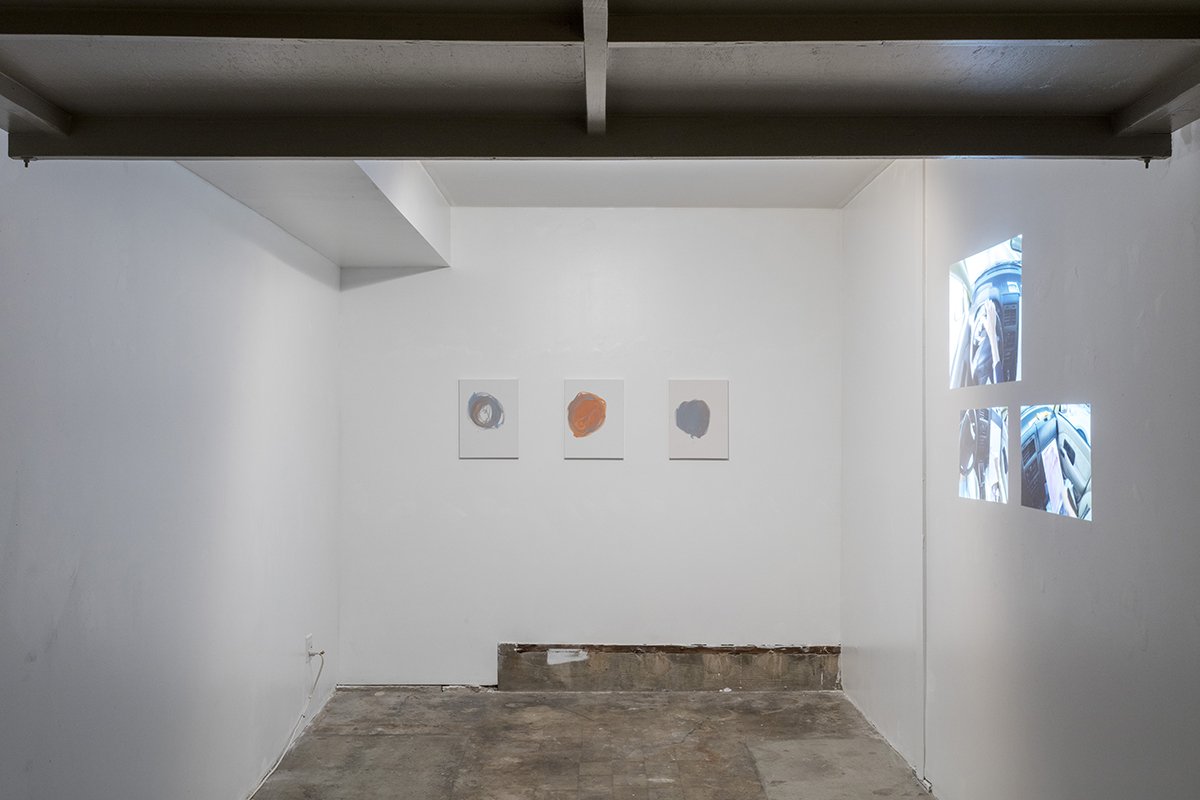
Kerstin von Gabain
Kerstin von Gabain, born 1979 in Palo Alto, California, lives and works in Vienna. She graduated from the Academy of Fine Arts Vienna (2003). Recent solo and duo exhibitions include Imitation, EXILE Vienna (2023); Compliments, Wieoftnoch, Karlsruhe (2021); Umeå, V.esch, Vienna (2021); I’ll see you when I see you, EXILE Vienna (2021); Dark Euphoria, Austrian Museum of Applied Arts, Vienna (2021); Happiness Machines (2020). She has been included in recent group exhibitions at Mumok, Vienna (2022); Neuer Kunstverein Wien, Vienna (2022); Salzburger Kunstverein, Salzburg (2022); Kunstverein Schattendorf, Schattendorf (2020); HAUS Wien 2020, Vienna (2020), among others. She is represented by EXILE Vienna.
Anca Benera
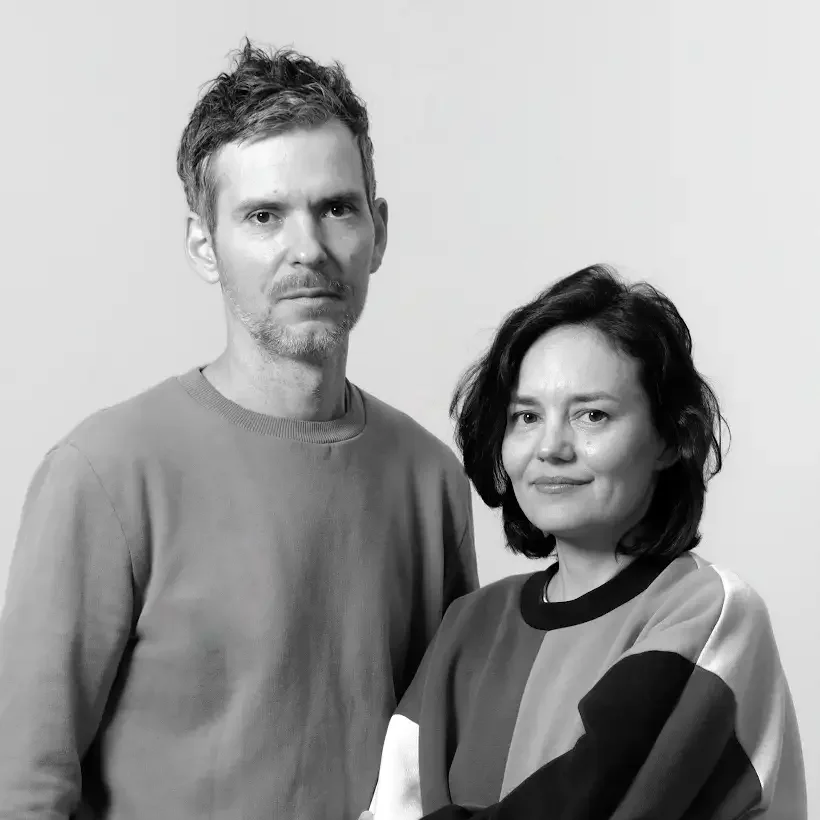
Anca Benera and Arnold Estefan have collaborated as an artist duo since 2012, working between Vienna and Bucharest. Their practice spans multimedia installation, sculpture, and drawing, exploring how the military imagination shapes landscapes, climates, and communities, including its ties to extractive industries.