
Alumni
Filter by Discipline
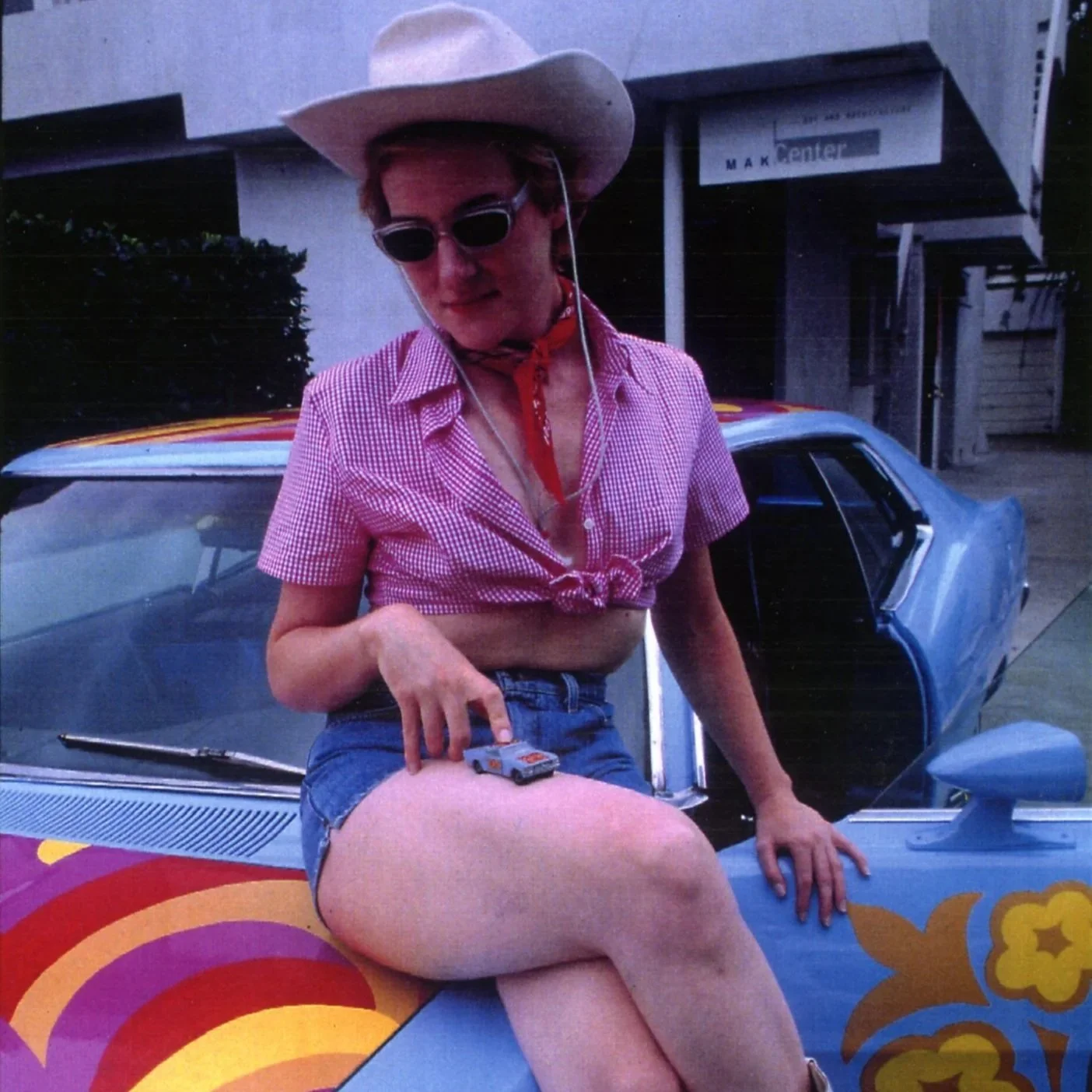
Guenther Holler-Schuster
Günther Holler-Schuster (*1963 Altneudörfl, lives in Graz) is an artist and art historian as well as collection curator and deputy department head of the Neue Galerie am Universalmuseum Joanneum. He studied art history and folklore at the Karl-Franzens-University in Graz. In 1987 he was a founding member of the artists' group G.R.A.M., which he now runs together with Martin Behr. In his conceptual art, Holler-Schuster is concerned with the selective perception of images in photography, film and video, which he likes to examine for their historical references and current cross-references.
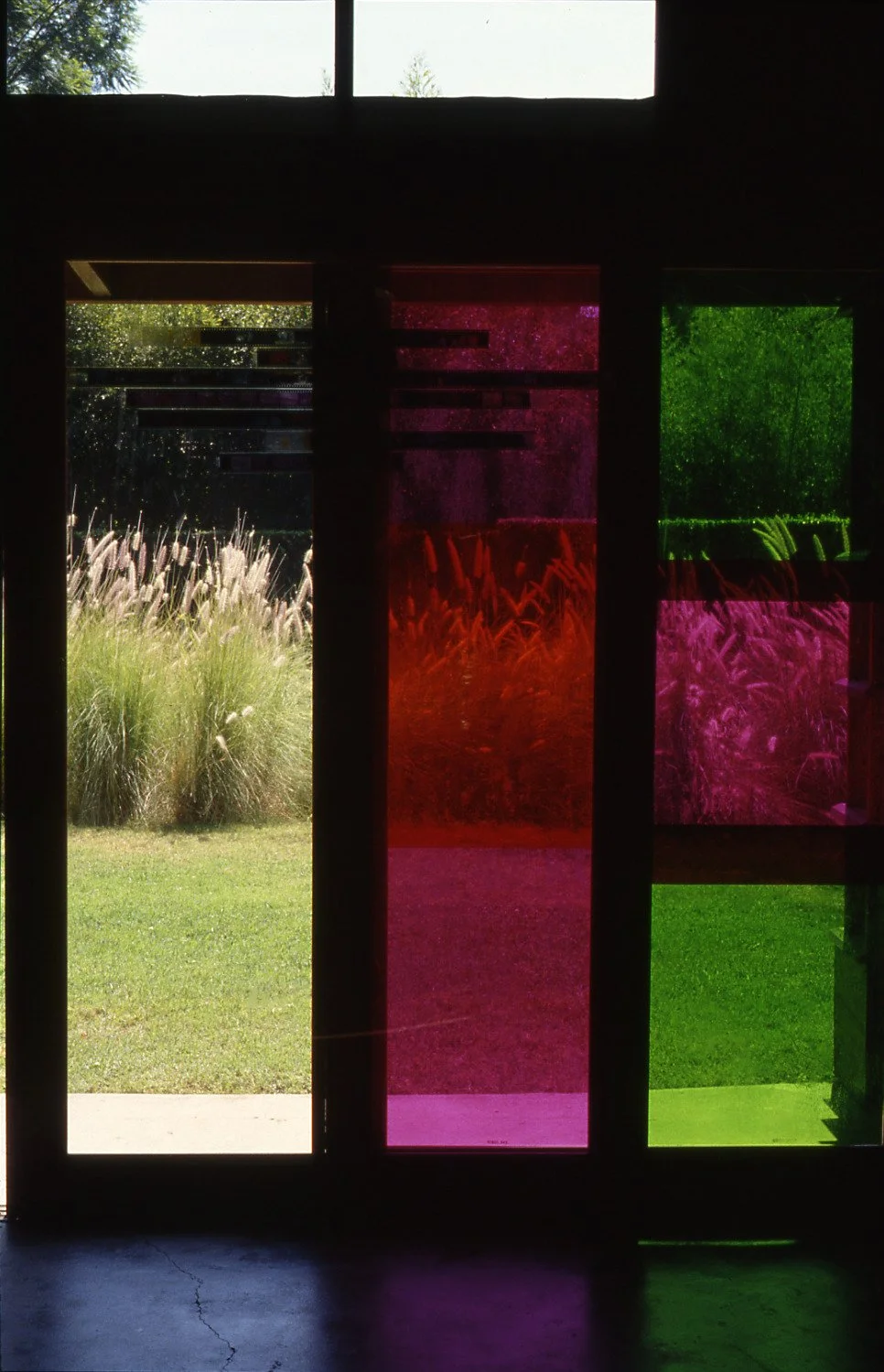
Christine Gloggengiesser
Christine Gloggengiesser was born in 1962 in Munich, Germany, and lives in Vienna. She studied Visual Media Design under Prof. Peter Weibel at the Academy of Applied Arts, Vienna, and received her M.A. in 1992.
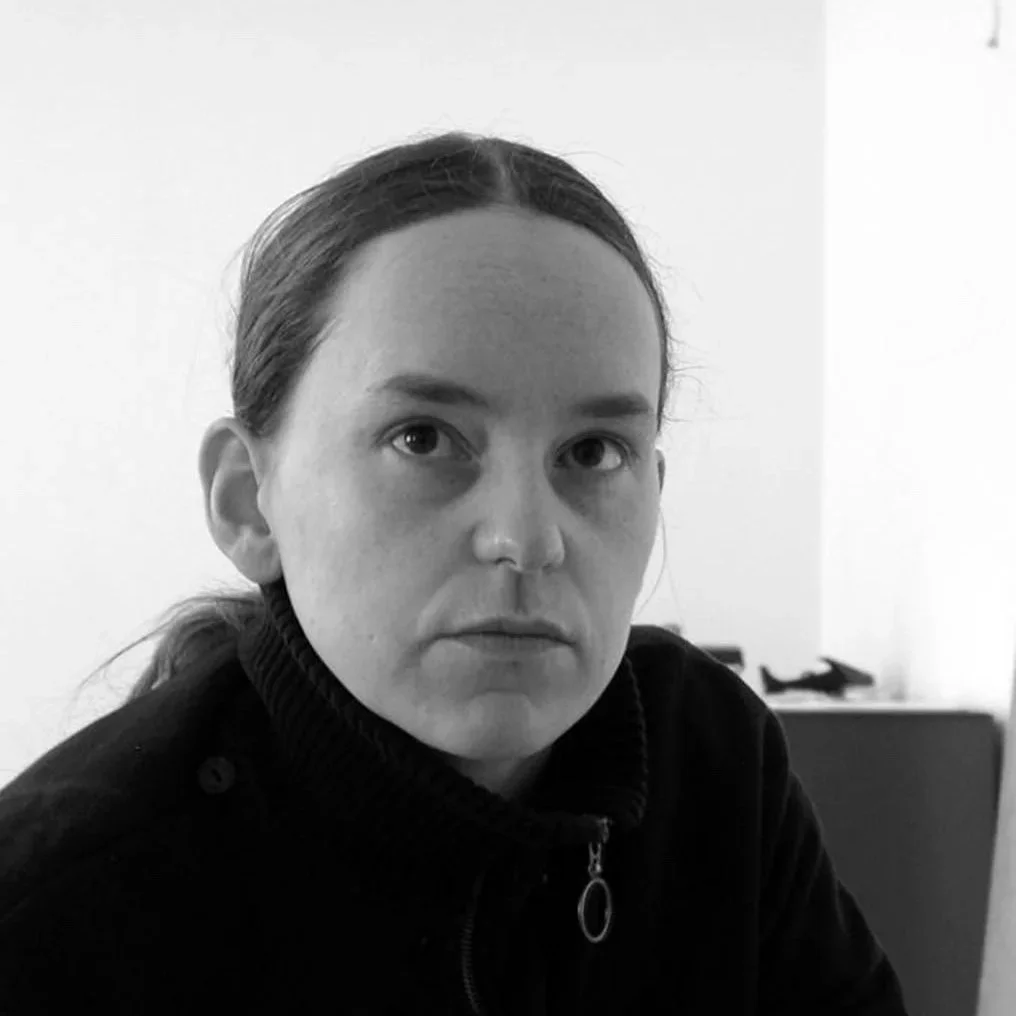
Nicole Six
Nicole Six and Paul Petritsch explore and traverse their environment with very concrete experiments. With expeditions into everyday life, across oceans, polar regions, through concrete deserts as well as lunar landscapes they explore the limits of our existence and perception. They locate themselves and spectators within art spaces, architecture and landscapes by means of interventions and experimental setups that sometimes turn towards the absurd and which, over the years, have resulted in an archive of poetic metaphors for human exposure in space. Time and again they put security and familiarity of our everyday lives to the test and challenge limits, also those of their own bodies.
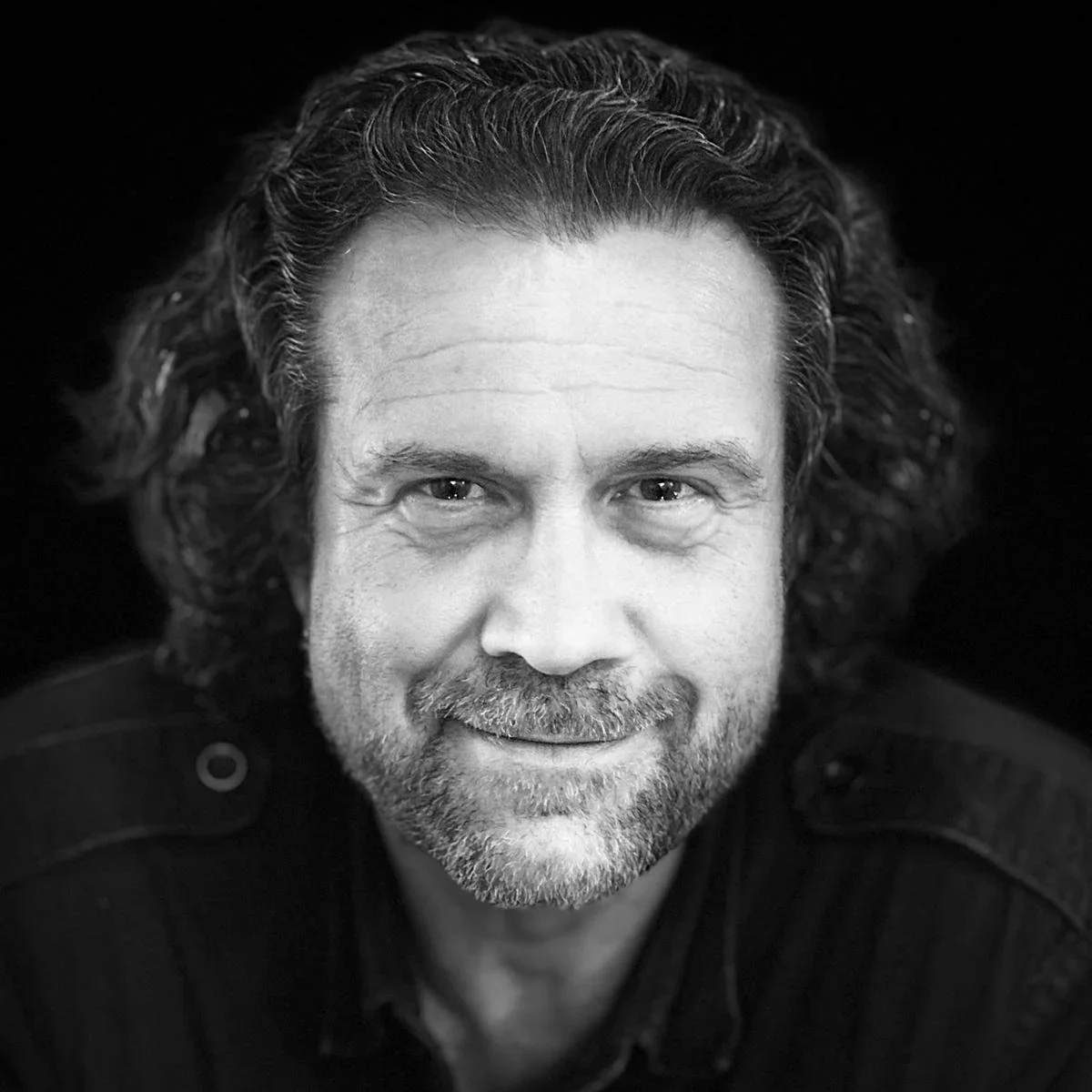
Stephan Doesinger
Stephan Doesinger is an Austrian-born spatial designer, author, and educator based in Munich, Germany. His interdisciplinary approach is driven by the belief that architecture is fundamentally about storytelling and collective memory—captured by his guiding principle: “Form follows Story.”
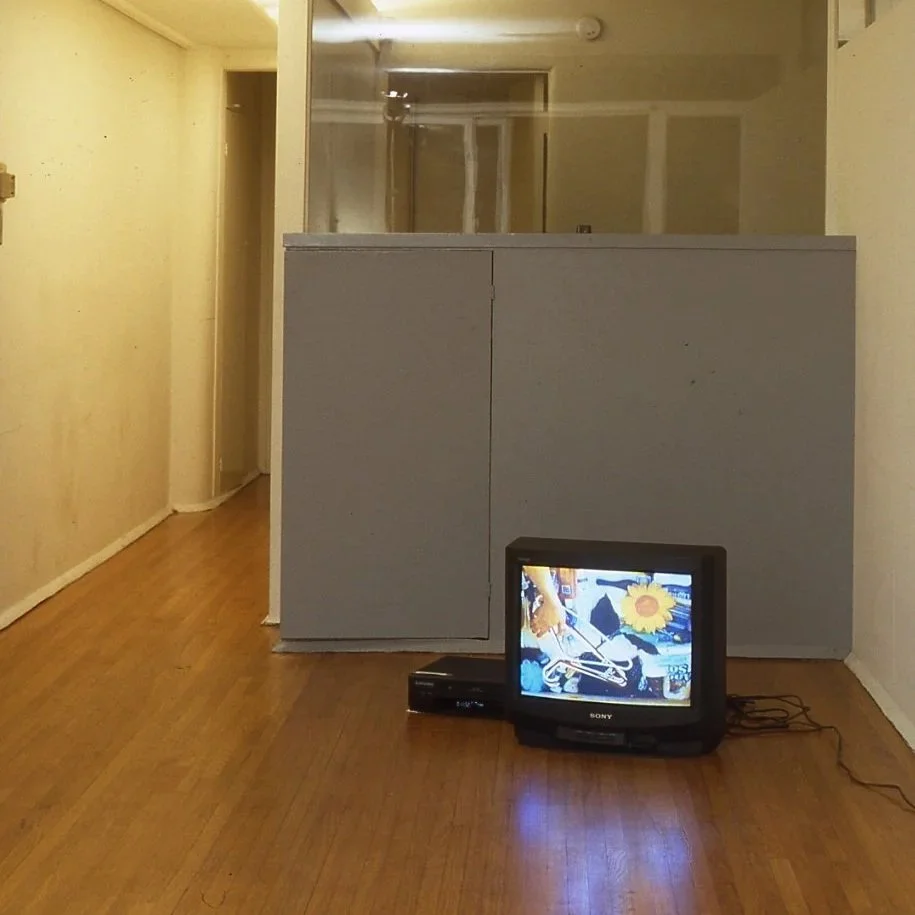
Ulrike Mueller
Born 1971 in Austria, now living and working in Brooklyn, NY and Vienna, Austria, Ulrike Müller attended the Academy of Fine Arts, Vienna (1996) and the Whitney Independent Study Program. In addition to painting, her practice incorporates performance, publishing, and textiles. Müller has been a co-editor of the queer feminist journal LTTR and organized Herstory Inventory. 100 Feminist Drawings by 100 Artists, which was shown at the Brooklyn Museum in 2012. In this exhibition, drawings by fellow artists based on image descriptions culled from a list taking inventory of a collection of feminist t-shirts in the Lesbian Herstory Archives in Park Slope were displayed together with objects from the museum collection. A version of this project was shown at the Kunsthaus Bregenz in Austria. Originally from Austria, Müller represented that country in the Cairo Biennial in 2010 with an exhibition of enamel paintings and quilts. Fever 103, Franza, and Quilts, a catalog of her work, was recently published by Dancing Foxes Press and a catalog on Herstory Inventory is forthcoming in Spring 2014. Concurrent with the exhibition at the gallery, her work is on view at the Contemporary Arts Museum Houston, Texas, and included in the upcoming White Columns Annual, selected by Pati Hertling.
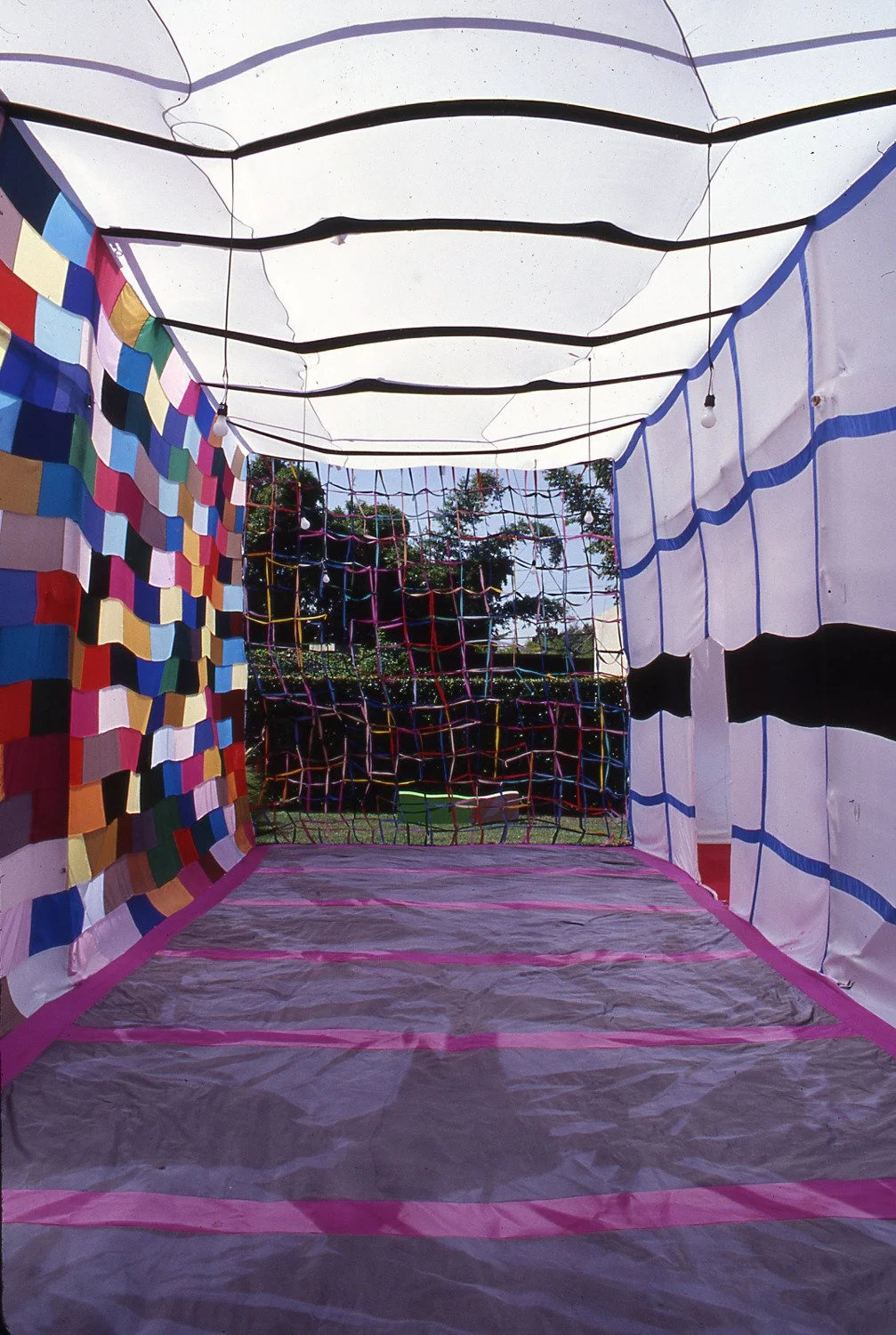
Gilbert Bretterbauer
Gilbert Bretterbauer has been working in Vienna, Japan and the US throughout the course of his career. He founded “studio bretterbauer/baldwin” in Vienna and Los Angeles in 1998 and “bretterbauerobjects” in 2012. He designs interiors, produces furniture and creates art objects and installations. Abstraction plays a crucial role in Bretterbauer’s versatile practice, manipulating with audacity and wit the millenial old weaving technique. He is mostly known for his art carpets, his lamp objects and his furniture made out of twisted steel-pipes. Displaying intense colors, compelling textures, sinuous lines and chaotic perspectives, his objects are never strictly functional.
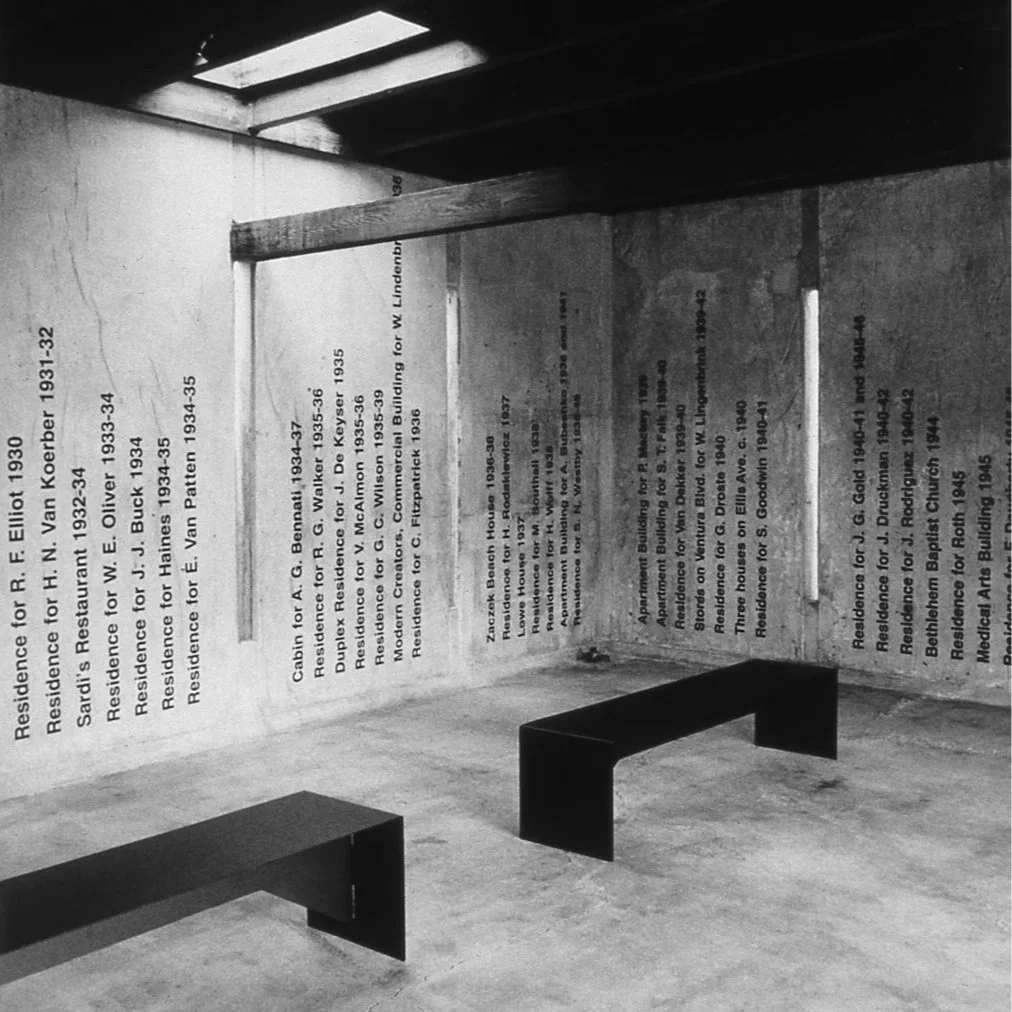
Plamen Dejanov
Renowned for his works which spark a short circuit between the art world and the economic market, Plamen Dejanov (Bulgaria-Austria, 1970) studied at the Academy of Applied Arts in Sofia and the Academy of Fine Arts in Vienna. From 1994 to 2000 he established a long partnership in both life and work with Swetlana Heger, creating an artistic company which participated in numerous collective exhibitions, including the 2nd Berlin Biennial. Their most notable project together was Quite Normal Luxury, 1999, a piece that consisted largely of a contract with BMW that traded brand exposure for the artists’ use of a new Z3 Roadster.
Since 2001, Plamen has individually continued to explore the themes previously tackled in collaboration with Heger, focusing on the relationship between culture and economy, art and market and, by extension, reaching a fusion of art and life. His strategy is much closer to the production dynamics of large multinationals than to the working process of an artist. He analyses the mechanisms of corporations–from production to consumption–in order to center his work on communication. This reflection on the close ties between art and the economy extends to his personal life, with a global rebranding of his image through a communication campaign, leading to a modification of his surname itself, from Dejanov to Dejanoff.
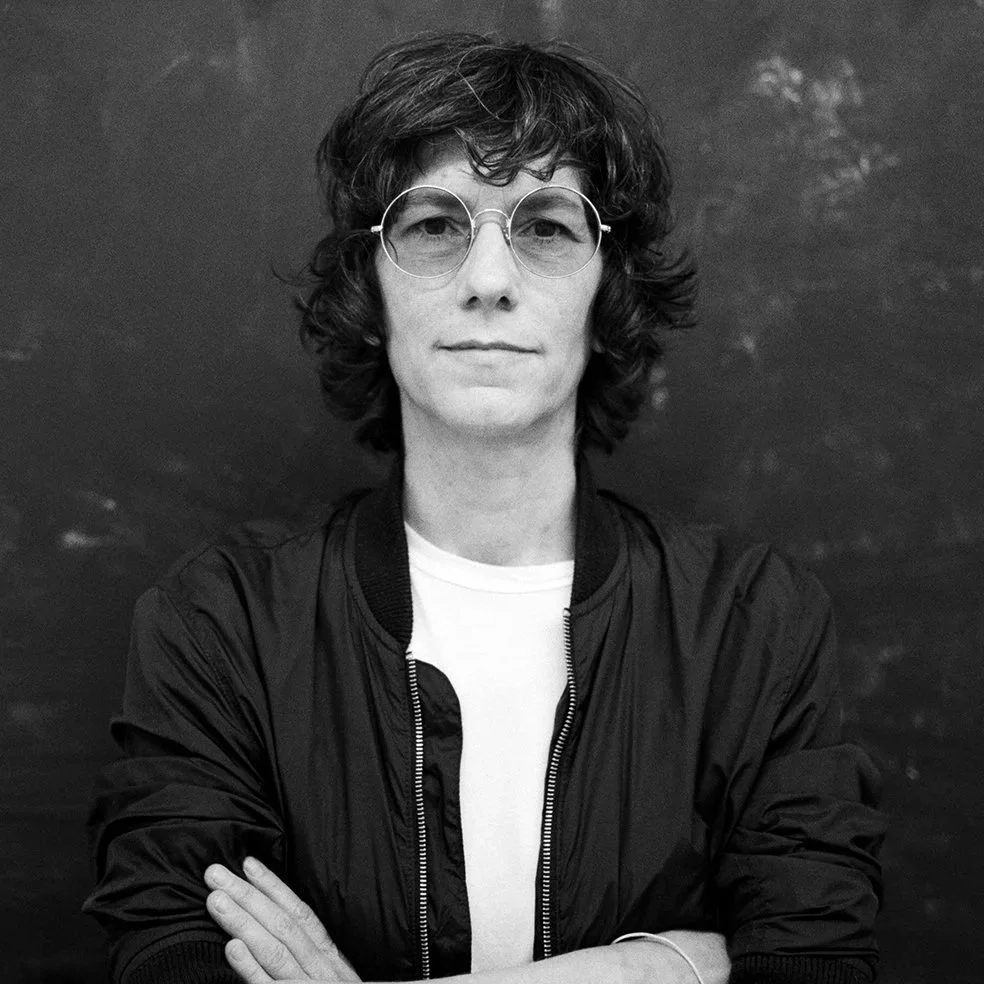
Flora Neuwirth
Flora Neuwirth (aka Flora N. Galowitz, clubblumen, fnsystems, ...) was born 1971 in Graz, lives and works in Vienna.
Her interdisciplinary work moves between the visual and applied arts, as well as between the literary, the cinematic, and the social. Her works are consequently displayed in a variety of different locations: from classic exhibition spaces to self-initiated social collective spaces, cinemas, books, and even everyday living spaces. The perception and presentation pragmatics of the various media shift in their weighting in the respective spaces. As part of the whole, the multifaceted aspects always remain—at least as traces of a complex artistic practice. (Stefanie Reisinger, Belvedere 21, Vienna 2024)
She studied at the Academy of Fine Arts Vienna and the UdK Berlin; scholarship residencies at the MAK Center for Art and Architecture, Los Angeles and at the Cité Internationale des Arts, Paris. Exhibitions include: Künstlerhaus - Halle für Kunst und Medien, Graz; Belvedere 21, Vienna; Ve.Sch-Kunstverein, Vienna; Kunstverein Wolfsburg; Galerie der Stadt Schwaz; Salzburger Kunstverein; Kunstverein Ludwigsburg; Neue Galerie/Studio am Landesmuseum Joanneum, Graz. Since 2008 she has been running the project "clubblumen – space for contemporary art, music, food, drink, communication, ..."
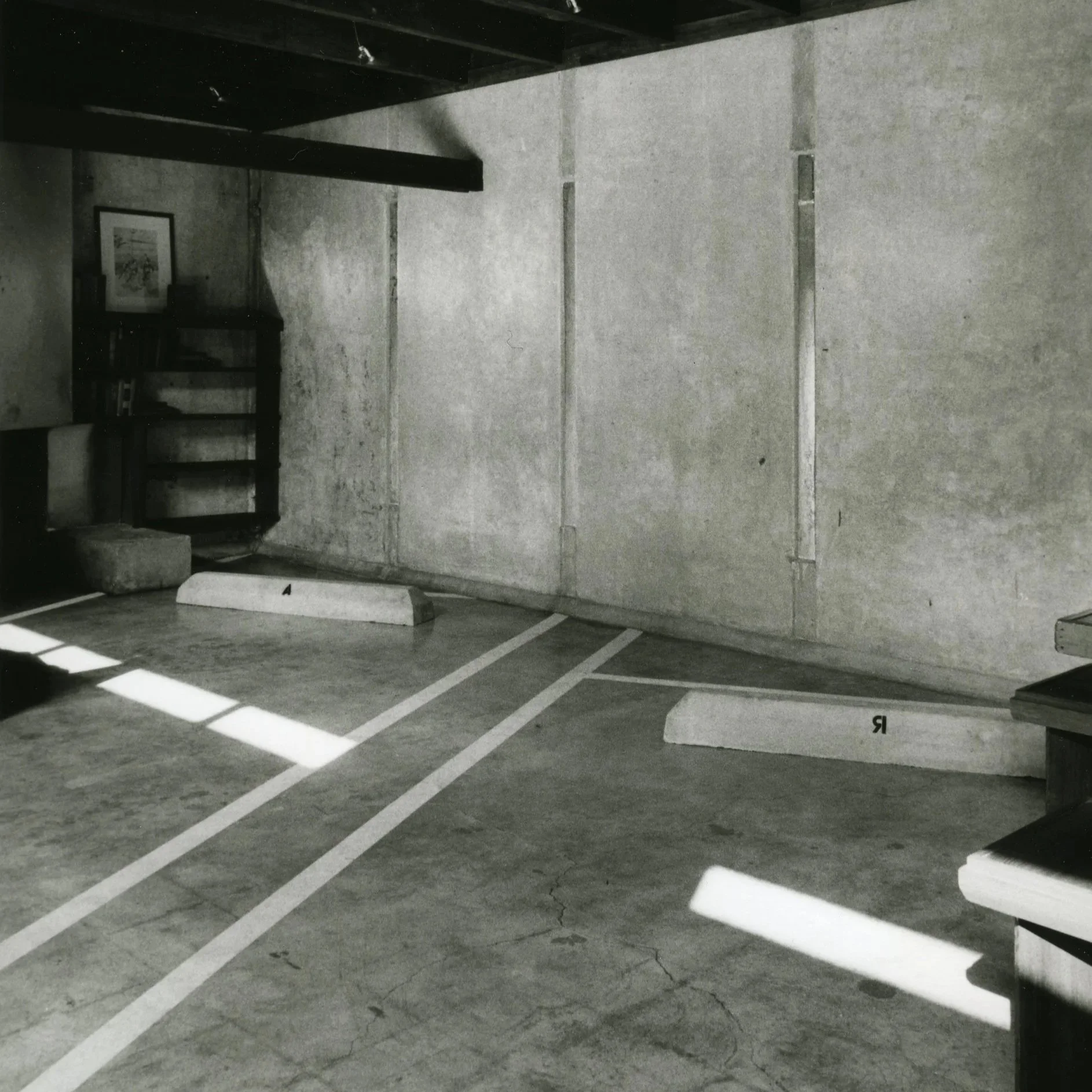
Jochen Traar
Jochen Traar was born in 1960 in Essen, Germany. From 1979 to 1984 he studied at the Academy of Fine Arts, Vienna, with Bruno Gironcoli. Traar has been a member of the Vienna Secession since 1986. In 1993 he had an artist residency at United Media Arts (UMAS), Durham, Ontario, Canada, in 1994 a Rome Fellowship and from 1995 to 1996 a Schindler Fellowship from the Museum of Applied Arts (MAK), Vienna, for Los Angeles, USA, where he stayed until 1998. In 1999 he returned to Vienna and founded the project space "friends of the night", which existed until 2002. In 2014 he spent an artist residency at Sewon Artspace, Yogyakarta, Indonesia. In 2020 he founded "kunstbureau Klagenfurt" with Ulli Sturm as a meeting place for communication, smaller events, readings and site-specific exhibitions. In 2021, Traar received a Paris Stipend from the province of Carinthia together with Aki Traar. He has participated locally and internationally in numerous group exhibitions, including 2002 at Kunsthaus Graz and in recent years continuously at Museum Moderner Kunst Klagenfurt (MMKK) and Künstlerhaus Klagenfurt and also in Germany, Italy, Hungary, Slovenia, Serbia, Bulgaria, Canada and the USA. Jochen Traar lives and works in Vienna and since 2002 in St. Veit im Jauntal, Carinthia, Austria.
Swetlana Heger
Growing up at the crossroads of post-socialist transition and global capitalism, Swetlana Heger (Brno, Czech Republic, 1968) shapes a multifaceted practice that interrogates the entanglements of art, identity, and economy. Her works—ranging from conceptual interventions to performative collaborations and sculptural forms—navigate a terrain where authorship blurs, objects become signs, and aesthetics flirt openly with the mechanisms of branding.
Heger’s engagement with corporate imagery, luxury culture, and institutional critique has long been both celebrated and controversial. Especially during her collaborative years with Plamen Dejanov, her art became inseparable from economic systems themselves—often not just reflecting them, but actively participating in them. In more recent years, shaped metal objects, meticulously hand-lacquered, function as enigmatic tokens: hybrid relics of a personal economy, referencing both industrial design and intimate introspection.
Her practice repeatedly explores the negotiation of public and private spaces, of visibility and invisibility, often challenging the role of the artist as both product and producer. She invites viewers to confront their expectations, to decode symbols of status and power, and to reconsider where art begins and commerce ends. Her sculptural presence insists on ambiguity, letting ideology and poetics coexist uneasily.
Swetlana Heger studied at the University of Applied Arts in Vienna and completed postgraduate work at Musashino Art University in Tokyo. Her works has been shown in international institutions such as Vienna Secession, Centre Pompidou Paris, Artists Space New York, Moderna Museet Stockholm, Kunstmuseum Luzern etc. Her solo exhibitions have been hosted by spaces such as La Salle des Bains Lyon, Cabaret Voltaire Zurich, and Thierry Goldberg New York, while her work is part of major international collections including mumok Vienna, Hamburger Bahnhof Berlin, and the Zabludowicz Collection London.