
Alumni
Filter by Discipline
Milica Topalovic
Milica Topalovic is Associate Professor of Architecture and Territorial Planning at the ETH Department of Architecture. From 2011-15 she held research professorship at the ETH Future Cities Laboratory in Singapore, studying the relationship between a city and its hinterland. In 2006 she joined the ETH as head of research at Studio Basel Contemporary City Institute and the professorial chairs held by Diener and Meili, where she taught research studios on cities and on territories such as Hong Kong and the Nile Valley. Milica graduated with distinction from the Faculty of Architecture in Belgrade and received Master’s degree from the Dutch Berlage Institute for her thesis on Belgrade’s post-socialist urban transformation. Since 2000, she worked on projects in different spatial scales and visual media. With Studio Basel she authored and edited Belgrade. Formal / Informal: A Research on Urban Transformation, and The Inevitable Specificity of Cities. She contributes essays on urbanism, architecture and art to various magazines and publications.
Bas Princen
Bas Princen trained as an industrial designer and architect before earning an international reputation for his photographic work, particularly for reflecting the transformation of urban space. In his projects, he focuses on the frictions between designed surfaces of cities and a “natural” landscape.
Christoph ‘Kabru’ Kaltenbrunner
Christoph Kaltenbrunner has been head of the Department of Design, Architecture and Environment (DAE) of the Institute of Art Sciences and Art Education at University of Applied Arts Vienna since 2014. He studied mechanical engineering, techni- cal physics, product design and architecture. He received several scholarships to study in Japan, England and the USA. In 1994 he co-founded the internationally known award-winning architecture studio propeller z in Vienna, which he left in 2013 to fully concentrate on research and education. Besides numerous teaching activities including exhibitions, workshops and lecture events, he is responsible for the development of the Bachelor- Master curriculum for the teaching professions at the Angewandte. He was project leader of Conceptual Joining.

Songül Boyraz
In recent years, the artistic work of Songül Boyraz has focused on her own hair in order to explore the experiences of women in public and everyday life (family, religion, hierarchical and social constraints etc.), whose lives are rejected, questioned, and forced to exist within the boundaries set by others in positions of authority. These experiences consist of examples that fundamentally harm human life through physical and psychological violence. The artist’s work, therefore, aims to reflect the destruction and consequences of both psychological and physical bullying from her own perspective.

David Zink-Yi
The oeuvre of the Berlin-based artist David Zink Yi revolves around themes of creation, manifestation, and the construction of identity. Born in Lima in 1973, Zink Yi left Peru for Germany at the age of 16. Drawing inspiration from his own experiences, he interrogates the complex aspects of identity construction through his multi-disciplinary practice; encompassing film, photography, sculpture, performance, ceramics and multi-channel video installations, which all emphasize the social interrelation of the protagonists, as well as physiological aspects of musical perception.
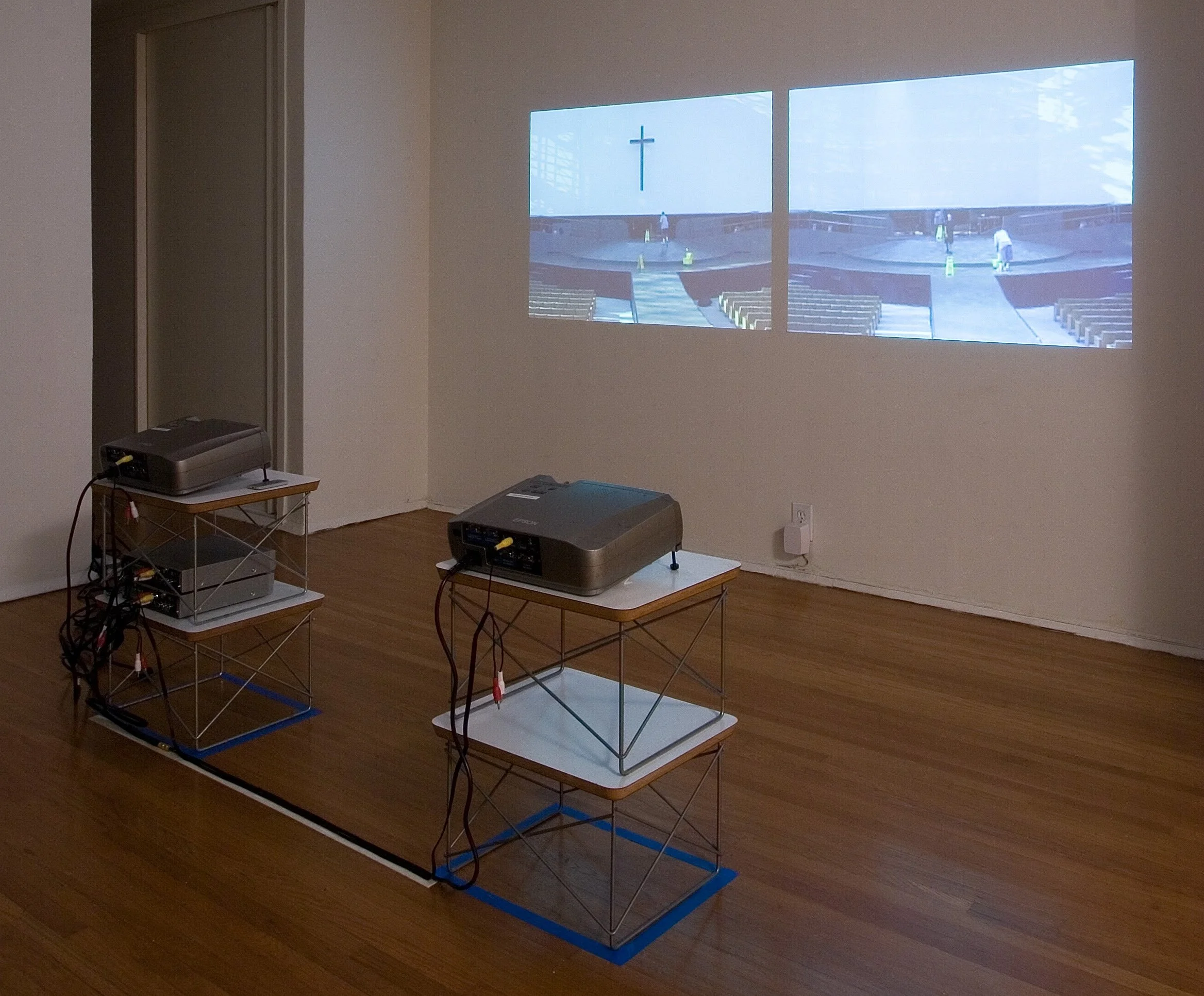
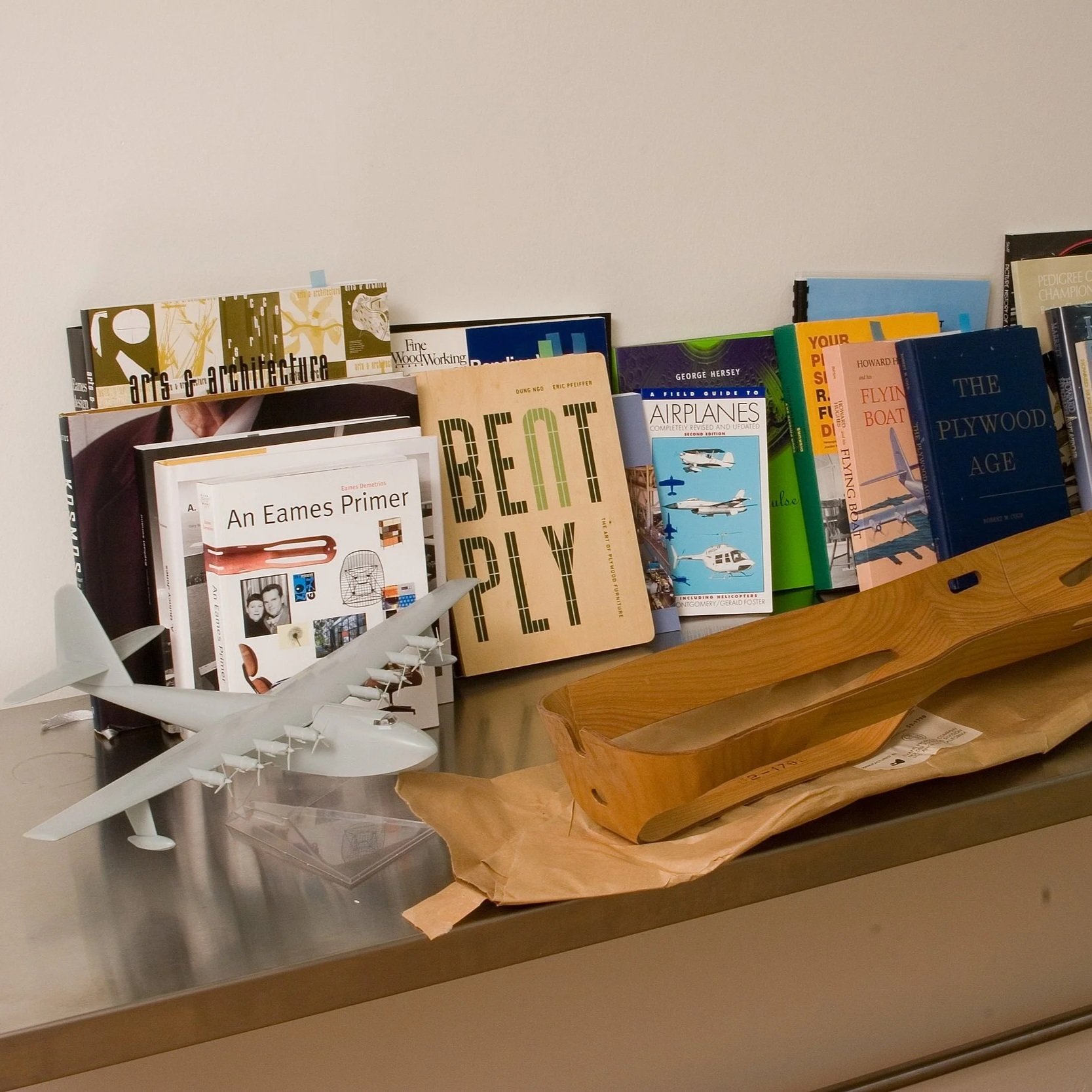
Stefan Röhrle
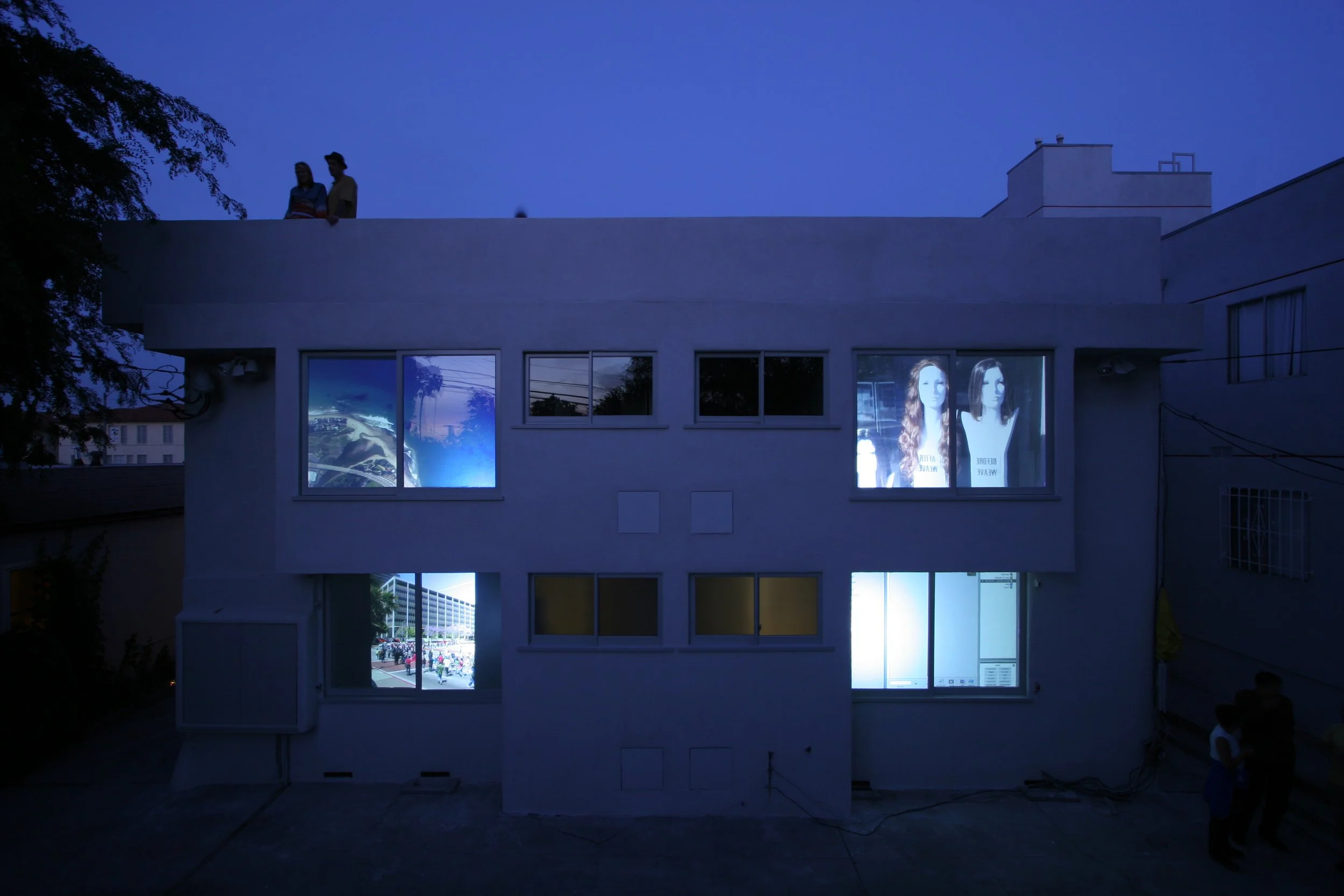
Stefan Röhrle was born in Munich. After completing his A-levels, he studied Stage and Film Design at the University of Applied Arts in Vienna, Institute for Fine and Media Art. In 2002, he received his diploma with distinction. Since 1997, he has lived and worked in Vienna as an artist, stage designer, and costume designer. In 2005, he participated in the MAK-Schindler Artists and Architects-in-Residence Program at the Mackey Apartments in Los Angeles.
Dariusz Krzeczek
Dariusz Krzeczek lives and works in Vienna. He studied New Media Art at the University of Applied Arts in Vienna under Prof. T. Fürstner and Prof. P. Weibel, receiving his diploma in 2004. He received an Honorable Mention for Unterwerk at Ars Electronica 2000 in Linz, the Special Award in the Short Competition at the Split Film Festival for Luukkaankangas – updated, revisited in 2005, and the Golden Impakt Award at the Impakt Film Festival for the same work in 2006. In 2005, he participated in the MAK Schindler Artists and Architects-in-Residence Program in Los Angeles. His practice includes video, installation, and audiovisual performance.
Annja Krautgasser
Annja Krautgasser was born in 1971 in Hall in Tirol and lives and works in Vienna. She studied Visual Media Design under Prof. Peter Weibel at the University of Applied Arts Vienna from 1990 to 1998, and Architecture at the University of Innsbruck under Prof. Volker Giencke and at the Technical University of Vienna from 1996 to 2002.
Sabine Bitter
Vancouver- and Vienna based artists Sabine Bitter and Helmut Weber collaborate on projects addressing the politics of how cities, architecture and urban territories are made into images. Mainly working in the media of photography and spatial installations their research-oriented practice engages with specific moments and logics of the global-urban change as they take shape in neighborhoods, architecture, and everyday life. Focusing architecture as a material frame for spatial, social, and cultural meaning, their ongoing research includes projects such as “Mapping as Shifting Perspectives”, “Educational Modernism,” “Performing Spaces of Radical Pedagogies”, and “Housing the Social.”
Exhibitions include: Künstlerhaus Wien, (2025); Austrian Cultural Forum Cairo, (2024); nGbK Berlin (2023); ACFNY, New York (2022); HKW Berlin, SAAG, Lethbridge (2021); Fotogalerie Wien; Republic Gallery, Vancouver (2019), Gallery Structura, Sofia, Bulgaria; Museum der Moderne Salzburg; Carinthian Museum of Modern Art, Klagenfurt; (2018)
Publications include: “encounter Educational Modernism”, “unsettling Educational Modernsim”, “Bildungsmoderne entzaubern”, “Making Ruins”, “Werkschau XXIII, Sabine Bitter & Helmut Weber”; “Front, Field, Line, Plane”, “The Militant Image Reader”, “Autogestion, or Henri Lefebvre in New Belgrade”, “BitterWeber: Live like this!”, “Caracas, Hecho en Venezuela”.
In 2004, they formed the urban research collective Urban Subjects with Canadian writer Jeff Derksen.
Sabine Bitter is Professor at Simon Fraser University’s School for the Contemporary Arts in Vancouver, Canada.
Helmut Weber
Vancouver- and Vienna based artists Sabine Bitter and Helmut Weber collaborate on projects addressing the politics of how cities, architecture and urban territories are made into images. Mainly working in the media of photography and spatial installations their research-oriented practice engages with specific moments and logics of the global-urban change as they take shape in neighborhoods, architecture, and everyday life. Focusing architecture as a material frame for spatial, social, and cultural meaning, their ongoing research includes projects such as “Mapping as Shifting Perspectives”, “Educational Modernism,” “Performing Spaces of Radical Pedagogies”, and “Housing the Social.”
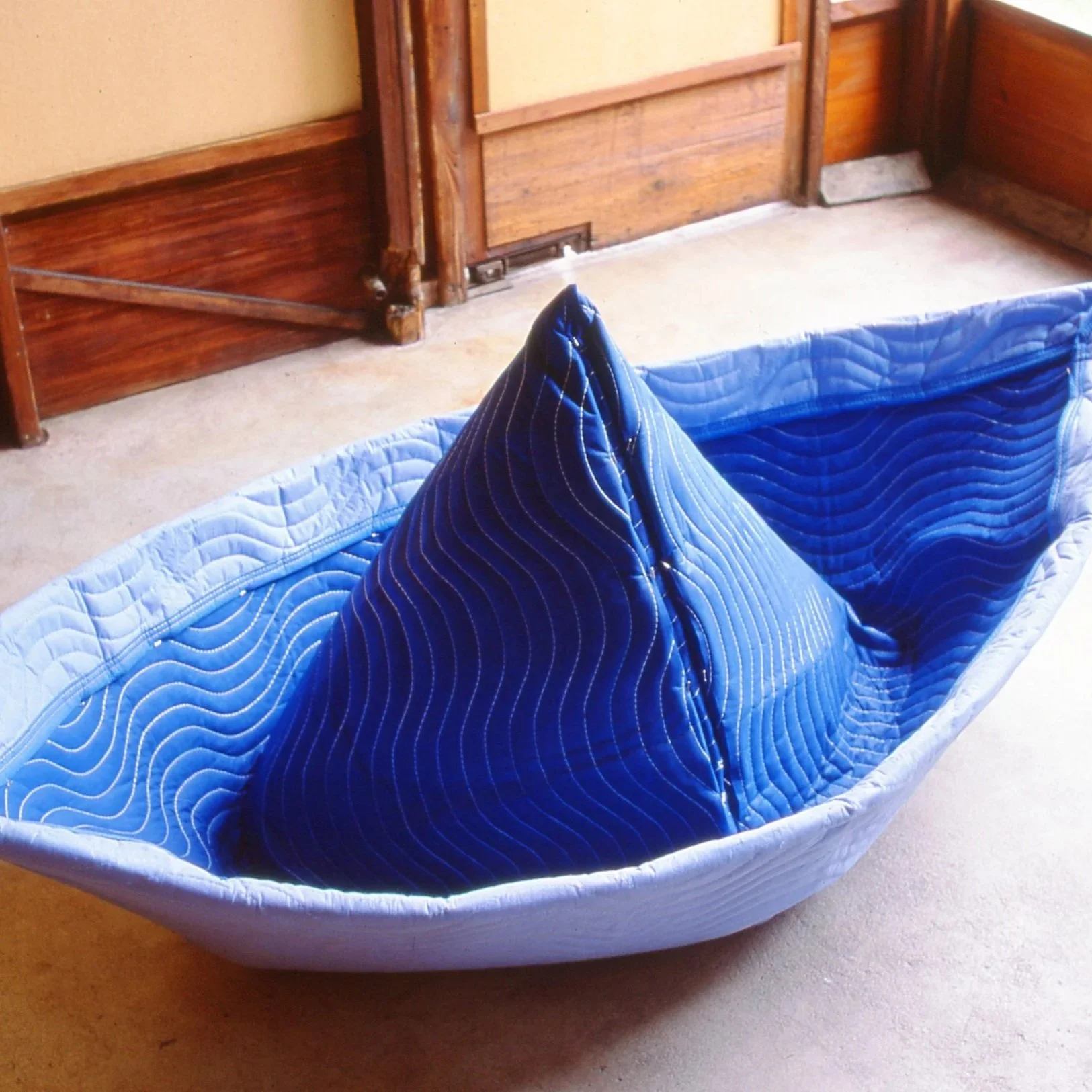
Constanze Schweiger
Constanze Schweiger portrays people in staged situations providing space for an encounter. The presence of the models is to be understood as a personal gesture and is a subjective contribution to the resulting artwork: Anything someone does becomes significant. On a formal level personal interaction becomes abstract and generates meaning.
In her work she deals with the possibilities within the individual's sphere of influence, especially with the formal aspects of ordinary actions and decisions. Two activities are therefore brought together—sharing a social moment and painting.
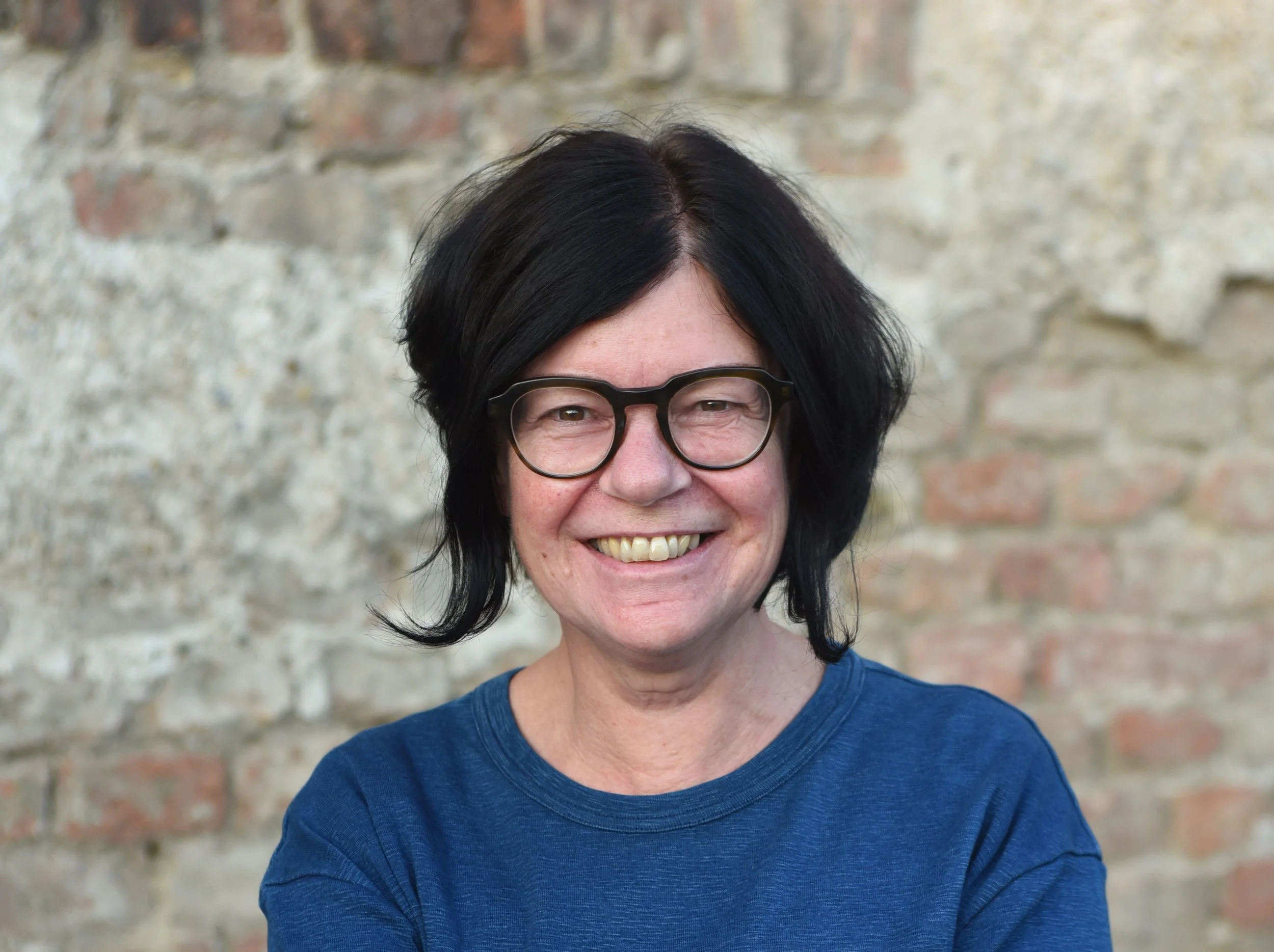
Barbara Holub
Barbara Holub is an artist, researcher and curator, based in Vienna. In 1999 she founded transparadiso with architect and urbanist Paul Rajakovics as a transdisciplinary practice between art, architecture, urbanism and research.

Florian Hecker
Florian Hecker was born in 1975 in Augsburg, Germany. In his sound installations and live performances, he deals with specific compositional developments of post-war modernity, electro-acoustic music, and other, non-musical disciplines. He dramatizes space, time and self-perception in his sonic works by isolating specific auditory events in their singularity, thus stretching the boundaries of their materialization. Their objectual autonomy is exposed while simultaneously evoking sensations, memories, and associations in an immersive intensity. Hecker studied Computational Linguistics and Psycholinguistics at Ludwig Maximilian Universität, Munich and Fine Arts at the Akademie der Bildenden Künste, Vienna, where he received his diploma.
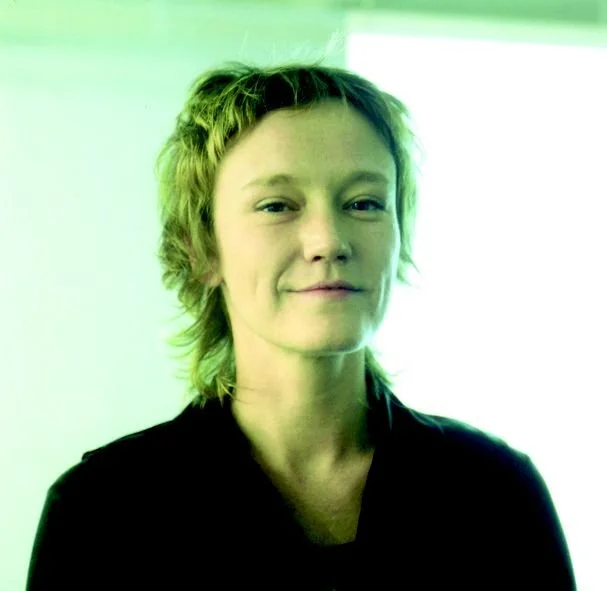
Miriam Bajtala
Miriam Bajtala, visual artist and filmmaker. The themes of her artistic exploration revolve around perception, space, memory, (self-)empowerment, witnessing, representation and the power of poetry. Her works can be seen in exhibitions and at film festivals.
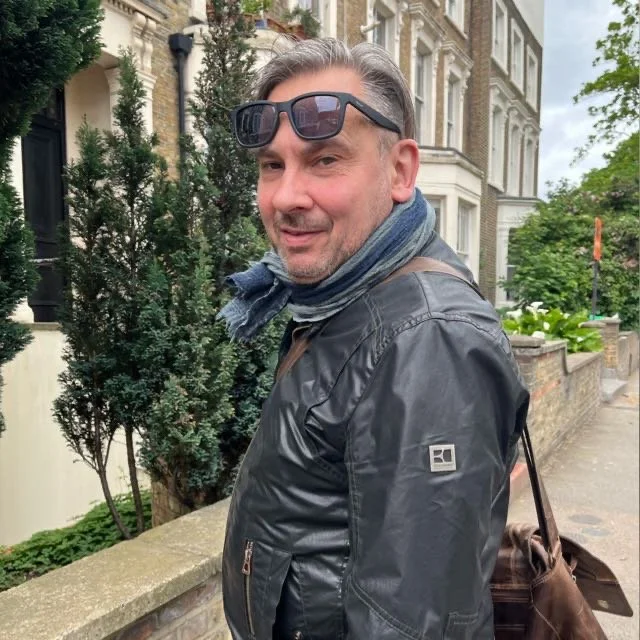
Paul Rajakovics
Paul Rajakovics is an architect and urbanist, based in Vienna. In 1999 Barbara Holub and Paul Rajakovics founded transparadiso that operates at the intersection of art, architecture and urban intervention and developed the method of direct urbanism – as socially engaged urbanism.
Paul Rajakovics is vice president of the ZV/ Central Association of Architects Vienna, Lower Austria and Burgenland. He was co-secretary of EUROPAN Austria (2004–2007) and co-advisor for architecture, Forum Stadtpark, Graz (1996-1997). Since 2017 he has been Expert for Urban Design of Styria, Austria. He has been a member of the editorial board of the urban research journal "dérive", Vienna (since 2001), and partner of the EU project SPACEX—Spatial Practices in Art and Architecture for Empathetic Exchange (2022–2025).
Since 1997 Paul Rajakovics has been lecturing, given workshops and was guest critic at various universities including UMPRUM, Prague (CZ); IUAV, Venice (I); Valand Academy of Fine Arts, Gothenburg (Sweden); Academy of Fine Arts Vienna; University of Arts, Linz; Academy of Fine Arts Bratislava (SK); Universidad Tecnica/ Valparaíso and Universidad Católica, Valparaíso (Chile).
He was Professor of Transformation Design at the HbK/ Academy of Fine Arts Braunschweig, Germany (2022-2023), and assistant professor at the Dept. of Housing and Design/ Vienna University of Technology (1997-2003; 2009-2017), where he is currently lecturing.
Paul Rajakovics was awarded the Austrian National Art Award (2018), the Otto Wagner Prize for Urban Design (2007), the Schindler Grant of the MAK Center for Art and Architecture, Los Angeles (2004), and the Tische-Grant of the Austrian Federal Chancellery (1994) at Agence Jean Nouvel, Paris, 1995.
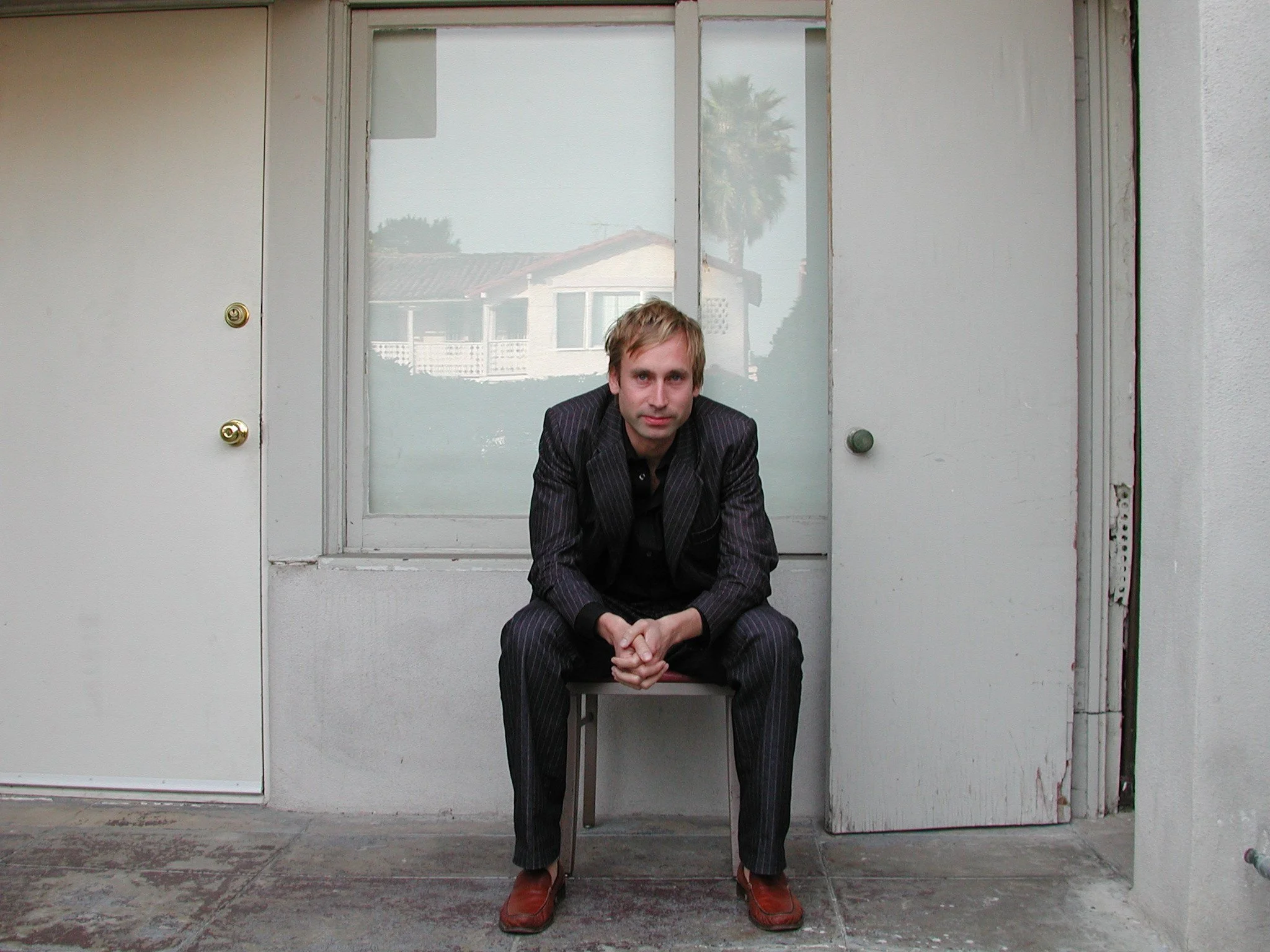
Oliver Croy
Oliver Croy is based in Vienna, where he graduated from the University of Applied Arts. In the 1990s, he initiated the project Sondermodelle in collaboration with curator Oliver Elser. The project centers around 387 model houses created by the Austrian insurance clerk Peter Fritz, and has been exhibited at major international venues including the Venice Biennale, the New Museum in New York, and the Berlin Biennale. Croy is also the co-founder of Croy Nielsen, a contemporary art gallery established in Vienna in 2016.
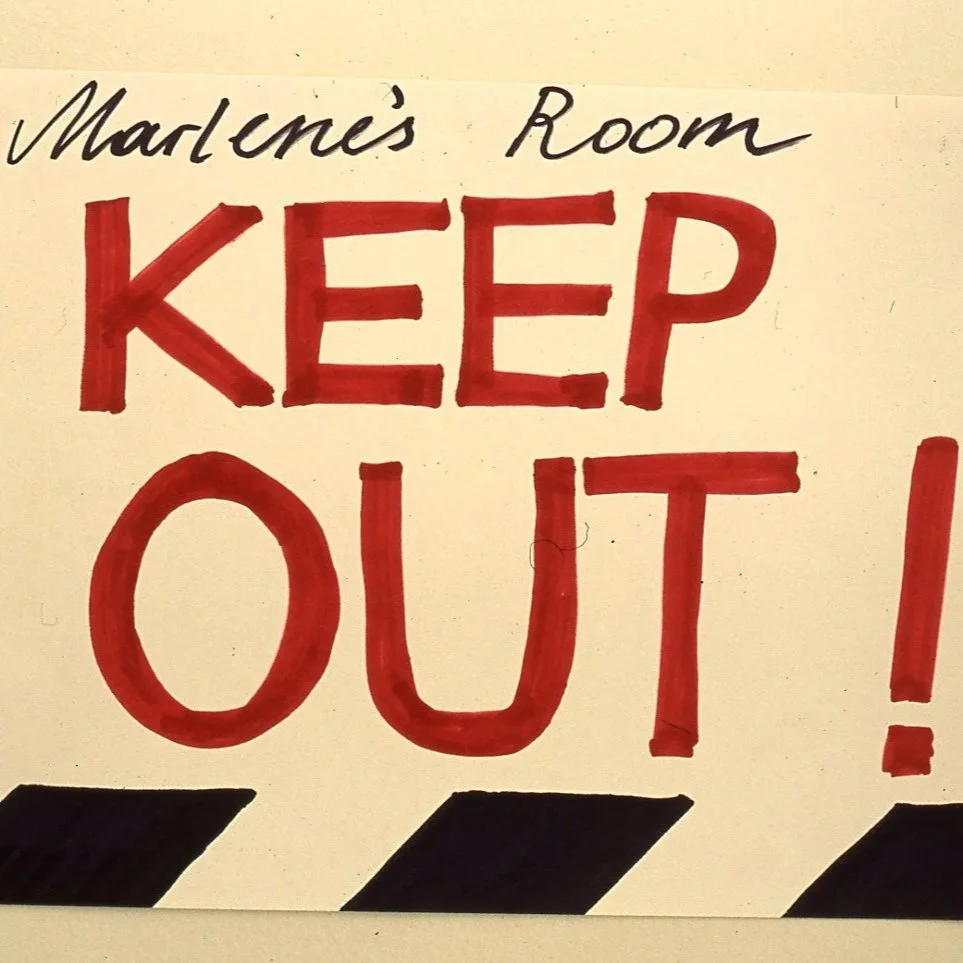
Marlene Haring
Marlene Haring deals with the social construction of places and events. Her work — performance, intervention, installation — reflects and intervenes on the regulations and conventions which govern social relationships and behaviours. It stems from site-specific investigations in which she is both researcher and guinea pig. The social construction of relationships and identities is her material. Her work is performative because: it creates and alters situations. She makes artworks that do what they say, and a bit more. She has exhibited and performed internationally since 1998, among others at The Function Room London (2015, 2016); Künstlerhaus, Vienna (2014, 2011, 2009); Tenderpixel, London (2013); Lentos Kunstmuseum, Linz (2013, 2012); Casino Luxembourg Forum d’art contemporain (2012); Modern Art Oxford (2010); Berlin Biennale (2010) and at Secession, Vienna (2010), where she once presented Closed Because of Pubic Hair (2009) in lieu of a lecture.

Catrin Bolt
Catrin Bolt (born 1979) lives and works in Breitenstein and Vienna. She studied from 1997 to 2003 under Peter Kogler in the media class at the Academy of Fine Arts in Vienna.
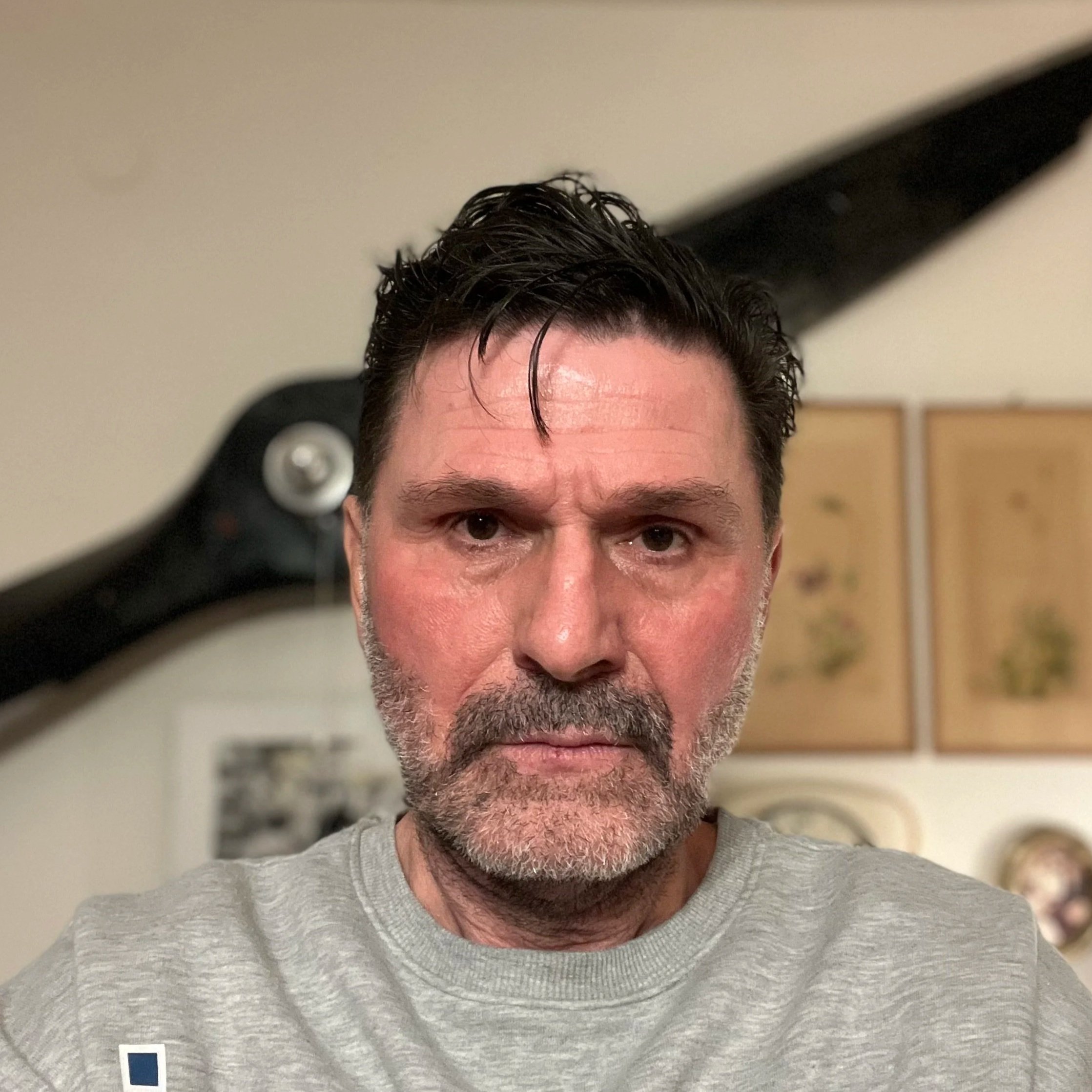
Robert Gfader
Robert Gfader, born in 1967 in Munich, studied architecture at the University of Innsbruck and lives and works in Berlin and Tyrol.
He has received, among other honors, the City of Innsbruck Prize for Artistic Creation, the Tyrolean Award for Contemporary Art, and the MAK Schindler Fellowship in Los Angeles.

Deborah Ligorio
Deborah Ligorio is an Italian artist and designer based in Berlin. Her practice engages with reflections on modes of coexistence through embodied experiences.