
Alumni
Filter by Discipline
Christoph ‘Kabru’ Kaltenbrunner
Christoph Kaltenbrunner has been head of the Department of Design, Architecture and Environment (DAE) of the Institute of Art Sciences and Art Education at University of Applied Arts Vienna since 2014. He studied mechanical engineering, techni- cal physics, product design and architecture. He received several scholarships to study in Japan, England and the USA. In 1994 he co-founded the internationally known award-winning architecture studio propeller z in Vienna, which he left in 2013 to fully concentrate on research and education. Besides numerous teaching activities including exhibitions, workshops and lecture events, he is responsible for the development of the Bachelor- Master curriculum for the teaching professions at the Angewandte. He was project leader of Conceptual Joining.
Dariusz Krzeczek
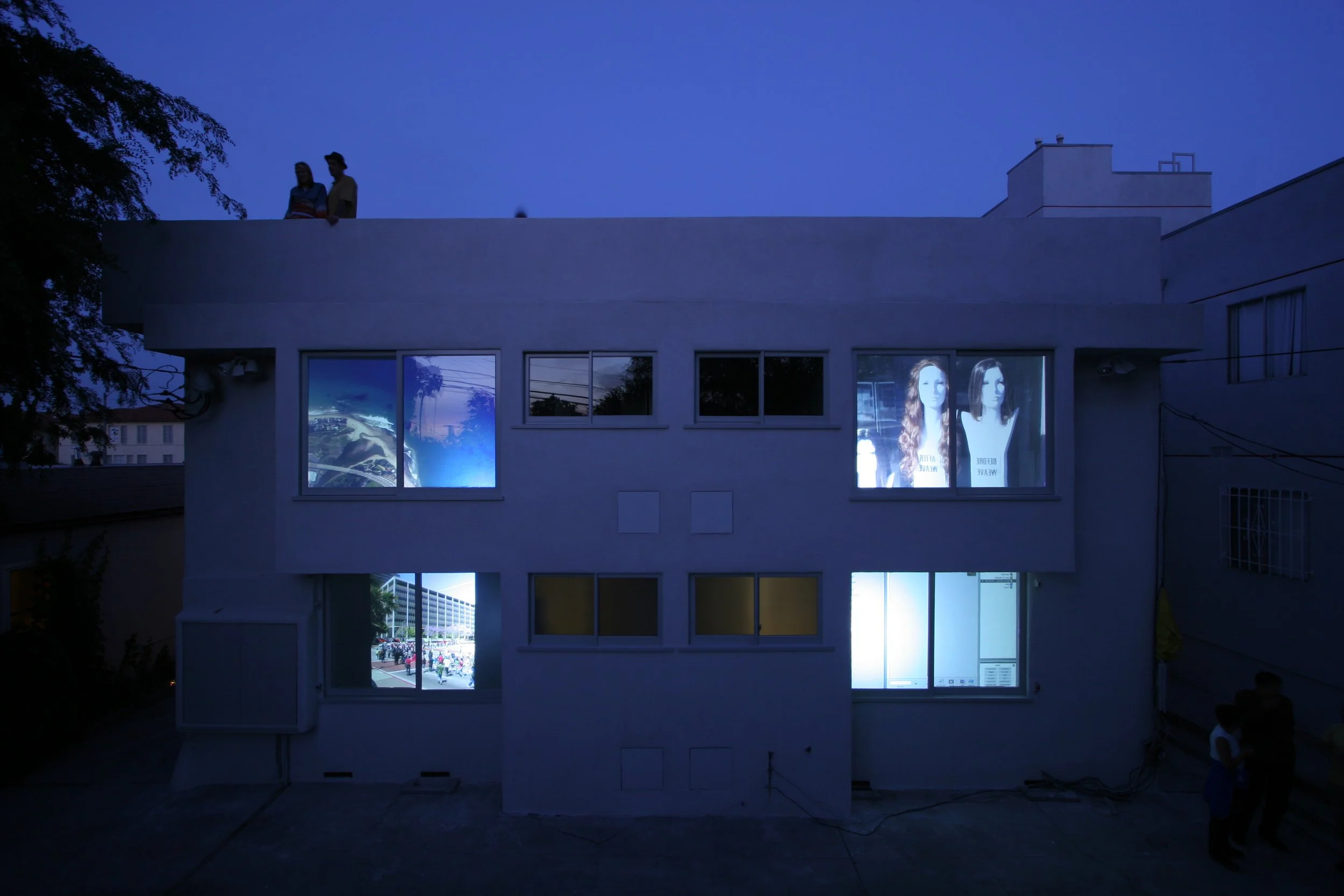
Dariusz Krzeczek lives and works in Vienna. He studied New Media Art at the University of Applied Arts in Vienna under Prof. T. Fürstner and Prof. P. Weibel, receiving his diploma in 2004. He received an Honorable Mention for Unterwerk at Ars Electronica 2000 in Linz, the Special Award in the Short Competition at the Split Film Festival for Luukkaankangas – updated, revisited in 2005, and the Golden Impakt Award at the Impakt Film Festival for the same work in 2006. In 2005, he participated in the MAK Schindler Artists and Architects-in-Residence Program in Los Angeles. His practice includes video, installation, and audiovisual performance.
Annja Krautgasser
Annja Krautgasser was born in 1971 in Hall in Tirol and lives and works in Vienna. She studied Visual Media Design under Prof. Peter Weibel at the University of Applied Arts Vienna from 1990 to 1998, and Architecture at the University of Innsbruck under Prof. Volker Giencke and at the Technical University of Vienna from 1996 to 2002.
Constanze Schweiger
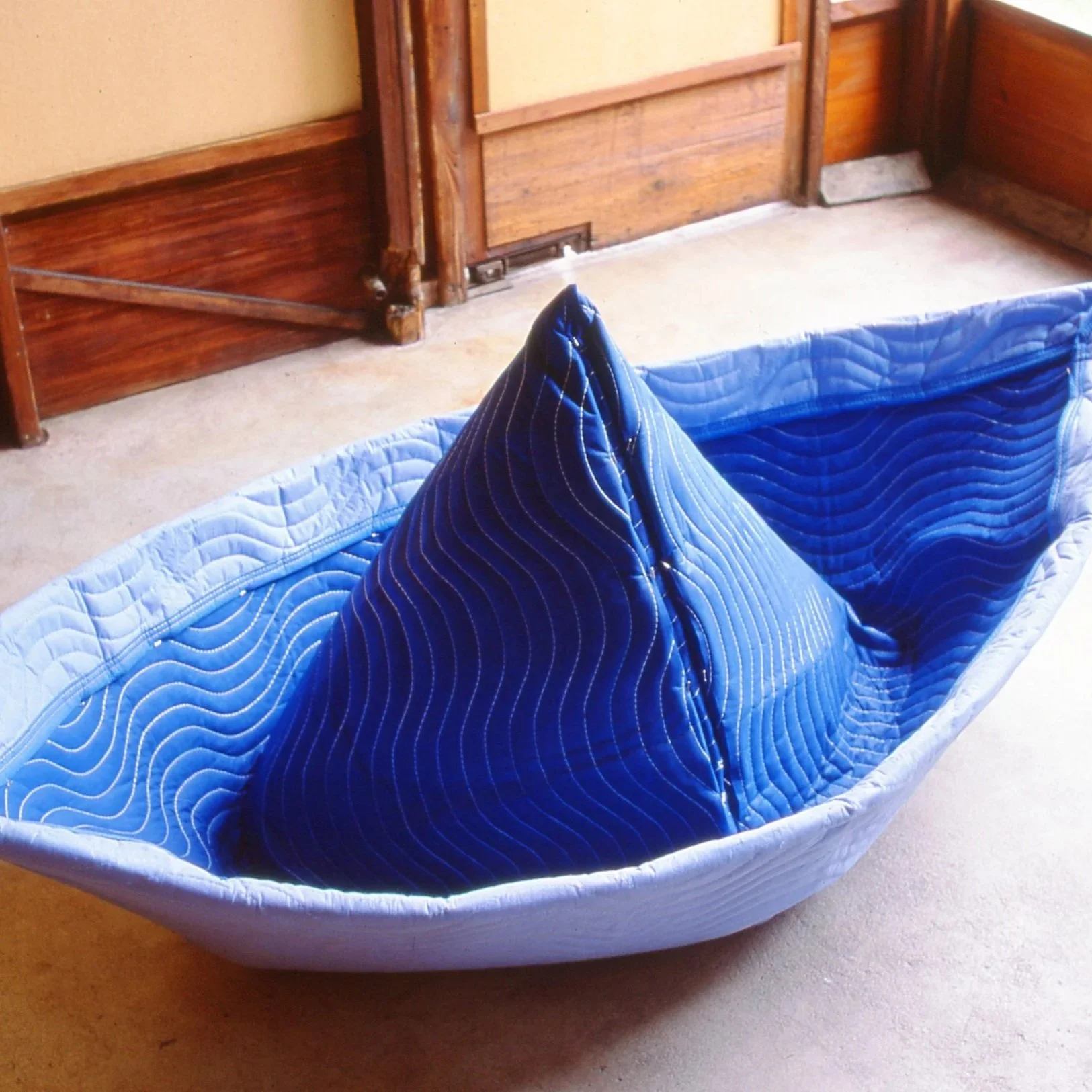
Constanze Schweiger portrays people in staged situations providing space for an encounter. The presence of the models is to be understood as a personal gesture and is a subjective contribution to the resulting artwork: Anything someone does becomes significant. On a formal level personal interaction becomes abstract and generates meaning.
In her work she deals with the possibilities within the individual's sphere of influence, especially with the formal aspects of ordinary actions and decisions. Two activities are therefore brought together—sharing a social moment and painting.
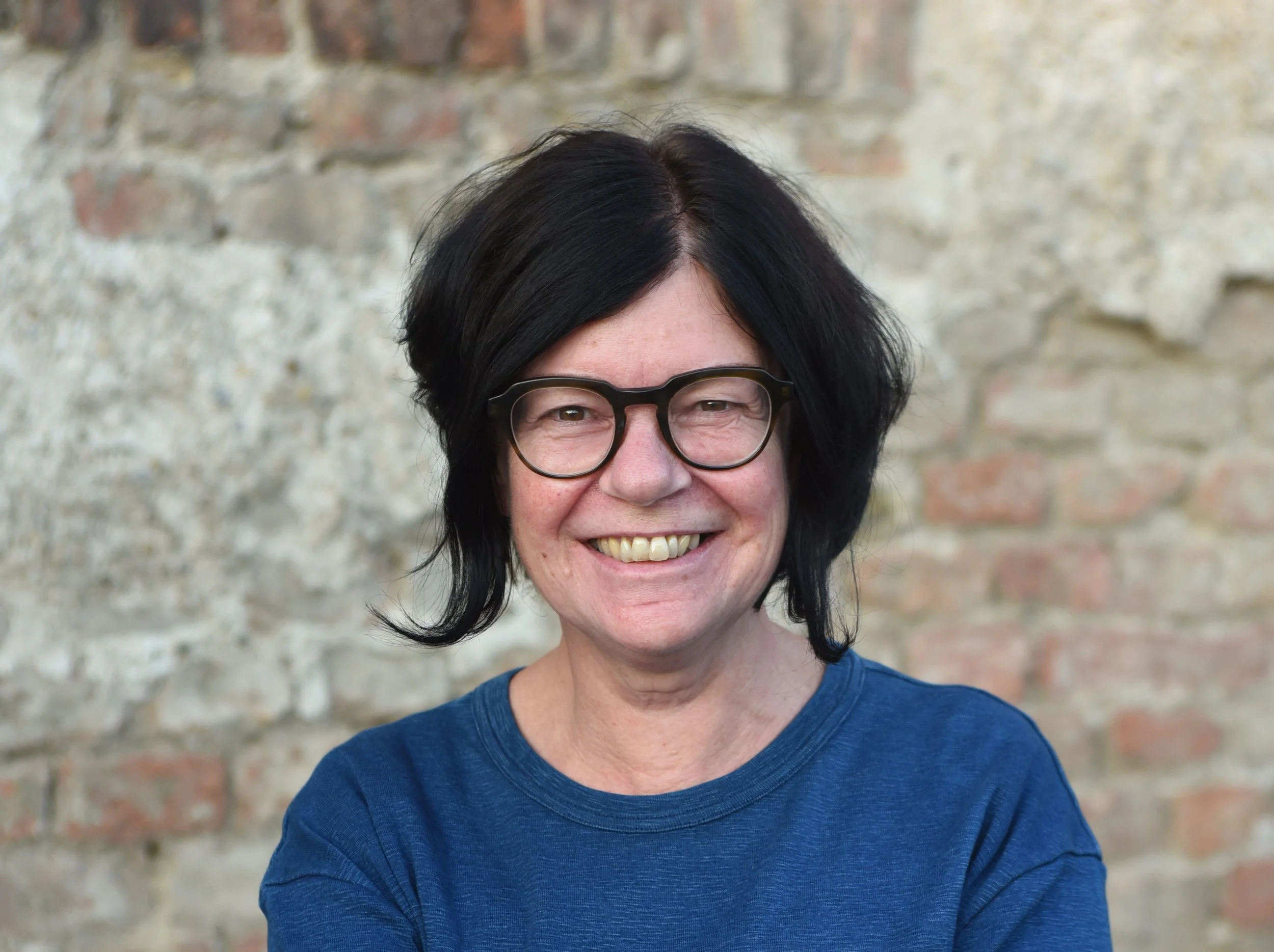
Barbara Holub
Barbara Holub is an artist, researcher and curator, based in Vienna. In 1999 she founded transparadiso with architect and urbanist Paul Rajakovics as a transdisciplinary practice between art, architecture, urbanism and research.
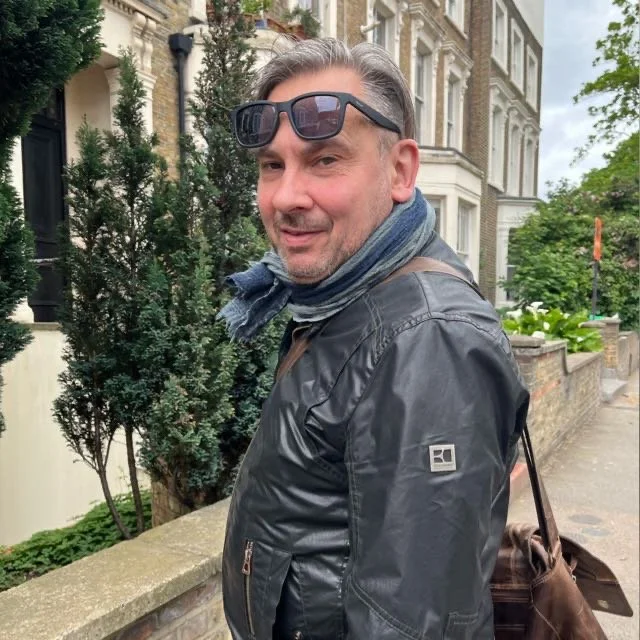
Paul Rajakovics
Paul Rajakovics is an architect and urbanist, based in Vienna. In 1999 Barbara Holub and Paul Rajakovics founded transparadiso that operates at the intersection of art, architecture and urban intervention and developed the method of direct urbanism – as socially engaged urbanism.
Paul Rajakovics is vice president of the ZV/ Central Association of Architects Vienna, Lower Austria and Burgenland. He was co-secretary of EUROPAN Austria (2004–2007) and co-advisor for architecture, Forum Stadtpark, Graz (1996-1997). Since 2017 he has been Expert for Urban Design of Styria, Austria. He has been a member of the editorial board of the urban research journal "dérive", Vienna (since 2001), and partner of the EU project SPACEX—Spatial Practices in Art and Architecture for Empathetic Exchange (2022–2025).
Since 1997 Paul Rajakovics has been lecturing, given workshops and was guest critic at various universities including UMPRUM, Prague (CZ); IUAV, Venice (I); Valand Academy of Fine Arts, Gothenburg (Sweden); Academy of Fine Arts Vienna; University of Arts, Linz; Academy of Fine Arts Bratislava (SK); Universidad Tecnica/ Valparaíso and Universidad Católica, Valparaíso (Chile).
He was Professor of Transformation Design at the HbK/ Academy of Fine Arts Braunschweig, Germany (2022-2023), and assistant professor at the Dept. of Housing and Design/ Vienna University of Technology (1997-2003; 2009-2017), where he is currently lecturing.
Paul Rajakovics was awarded the Austrian National Art Award (2018), the Otto Wagner Prize for Urban Design (2007), the Schindler Grant of the MAK Center for Art and Architecture, Los Angeles (2004), and the Tische-Grant of the Austrian Federal Chancellery (1994) at Agence Jean Nouvel, Paris, 1995.
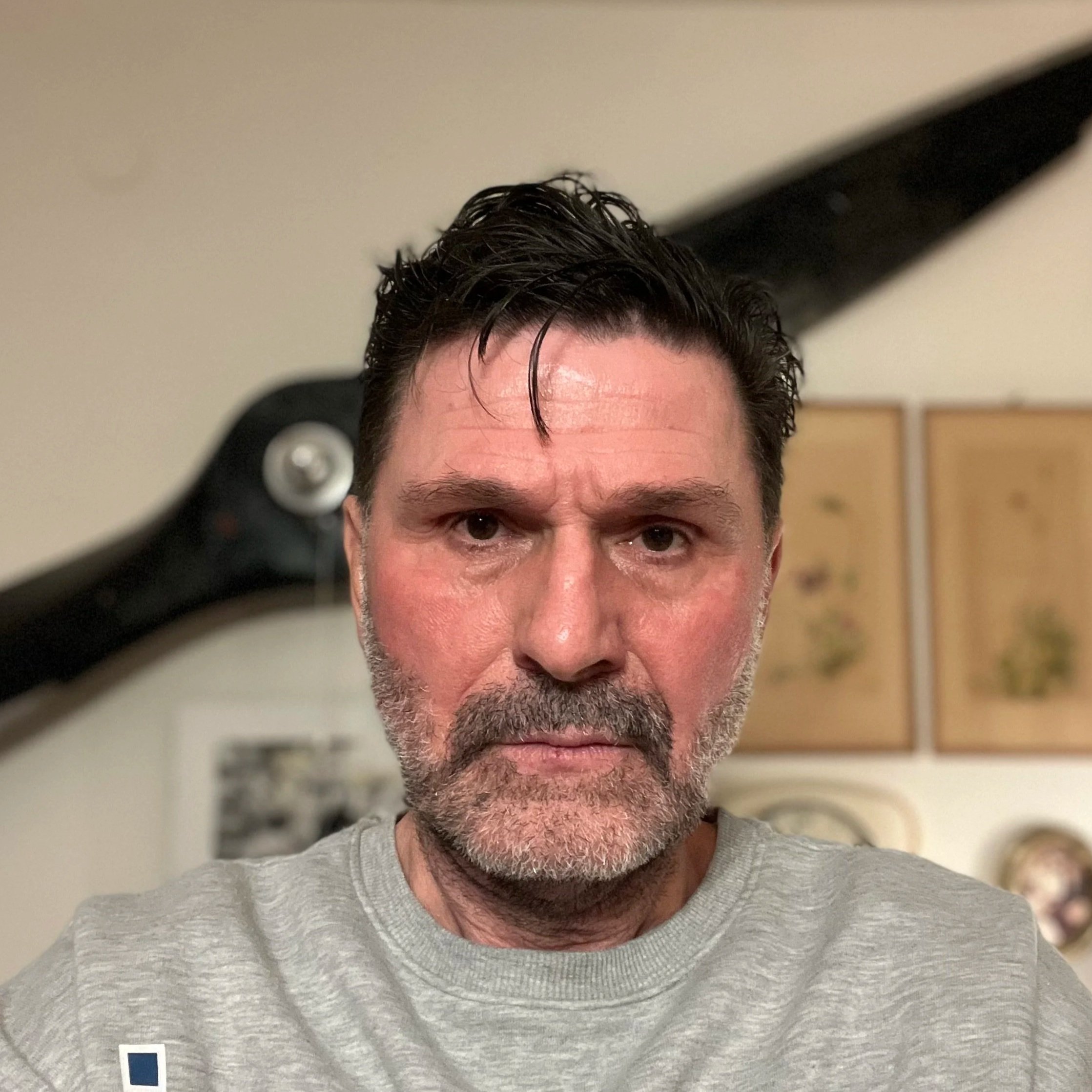
Robert Gfader
Robert Gfader, born in 1967 in Munich, studied architecture at the University of Innsbruck and lives and works in Berlin and Tyrol.
He has received, among other honors, the City of Innsbruck Prize for Artistic Creation, the Tyrolean Award for Contemporary Art, and the MAK Schindler Fellowship in Los Angeles.

Deborah Ligorio
Deborah Ligorio is an Italian artist and designer based in Berlin. Her practice engages with reflections on modes of coexistence through embodied experiences.
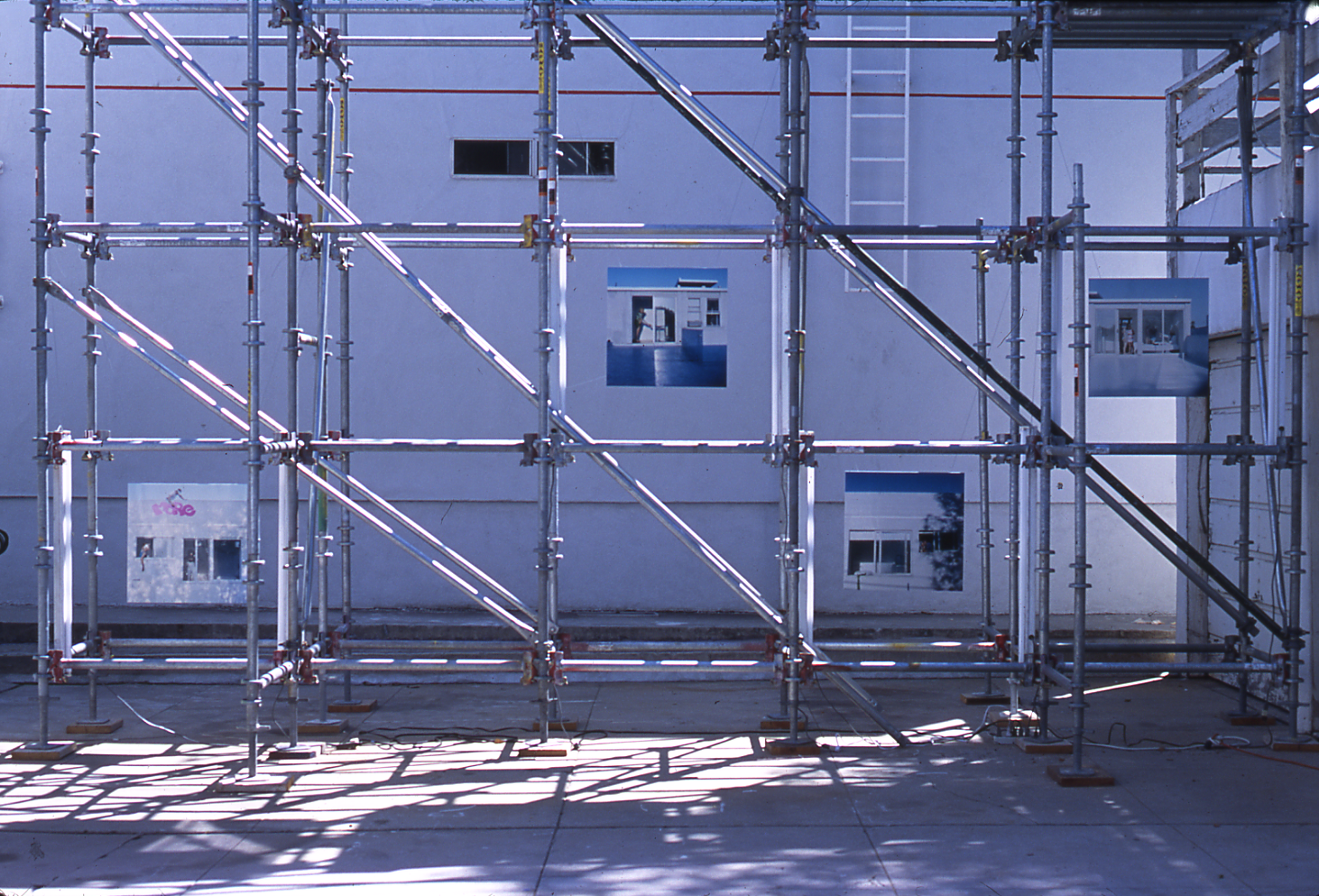
Roland Oberhofer
Born in Brixen, Italy, Roland Oberhofer has pursued educational and professional activites in Vienna, Paris, Los Angeles, and Mexico City.
Nicholas Février
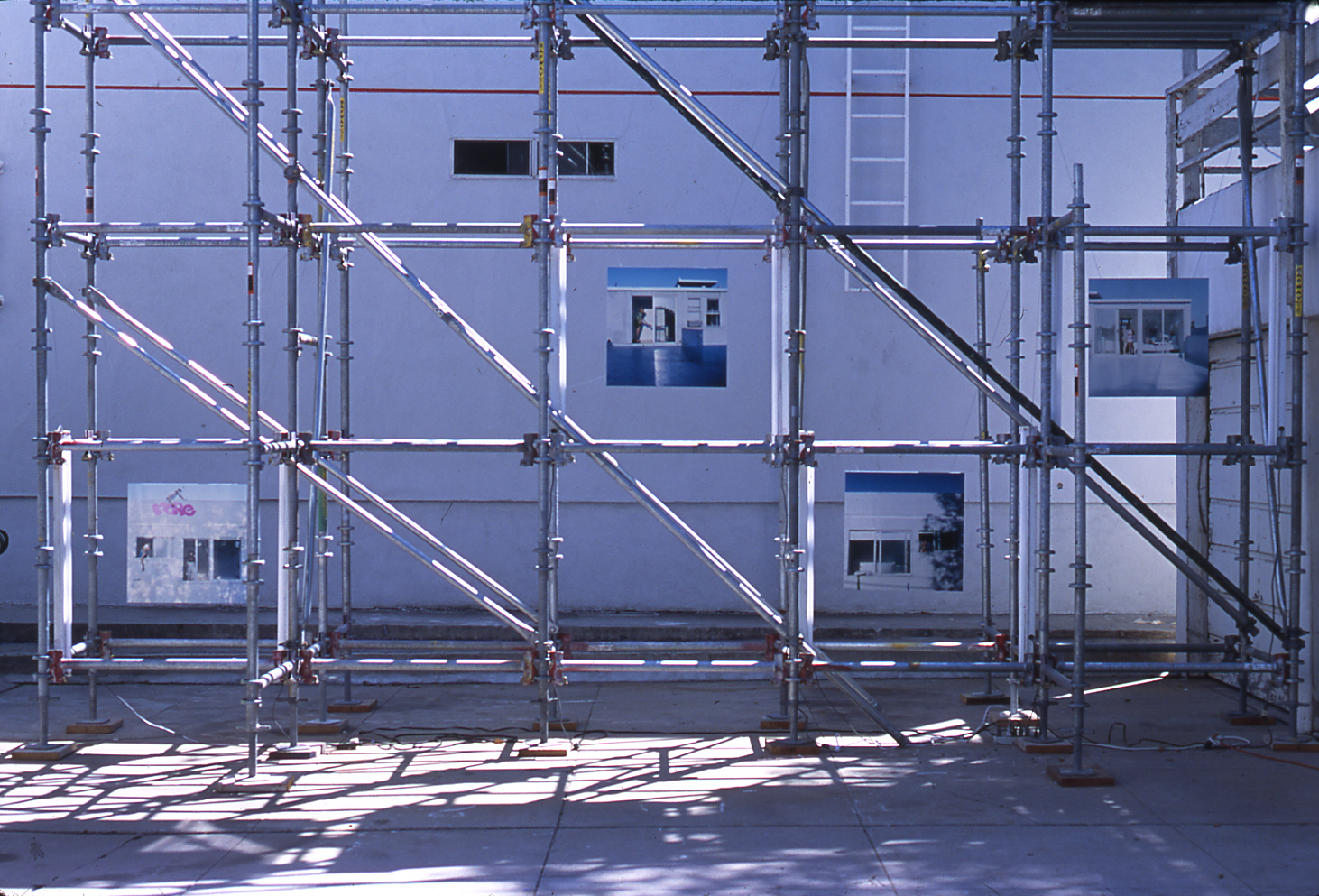
Nicolas Février studied architecture at the School of Architecture Luminy in Marseille, followed by the School of Architecture Paris-La Seine, Atelier Cornet, from 1996 to 1998. In 1998–1999, he attended the Technical University of Delft, studying under Déborah Hauptmann, where he developed the project Landscape + E together with Hotao Chow. From 1999 to 2000, he continued his studies at the School of Architecture Paris-La Seine under Professor Françoise Fromonot, completing the project Paris IntraMuros in collaboration with Roland Oberhofer.
Christoph a. Kumpusch
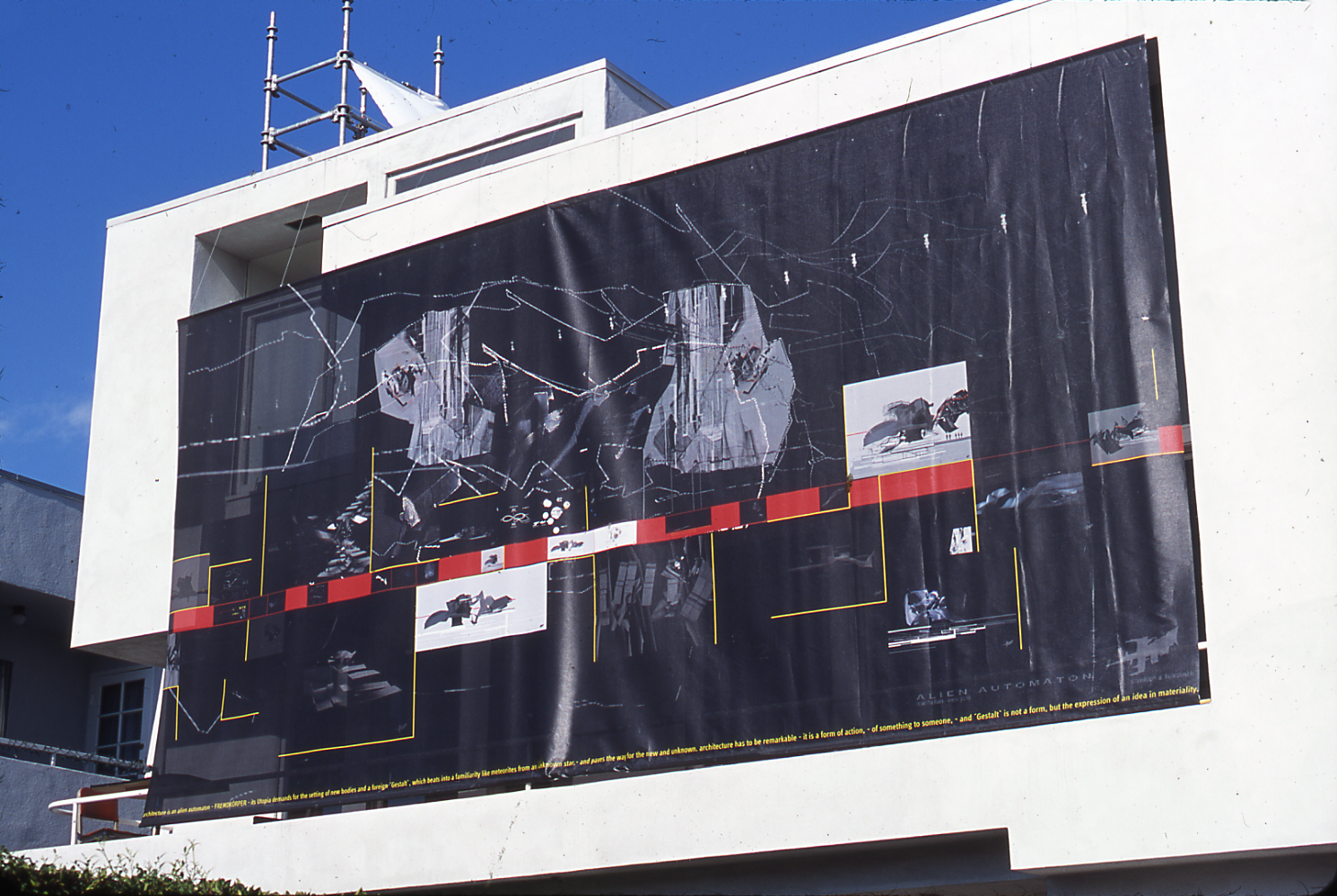
Christoph a. Kumpusch is a New York City-based architect and the Head of Forward-slash ( / ) Architektur and the Co-Founder of the Mutating-Cities Institute. He teaches design studios and seminars in the Architecture and Real Estate programs at Columbia GSAPP, where he also directs the Extraction Laboratory.
Zlatan Vukosavljevic
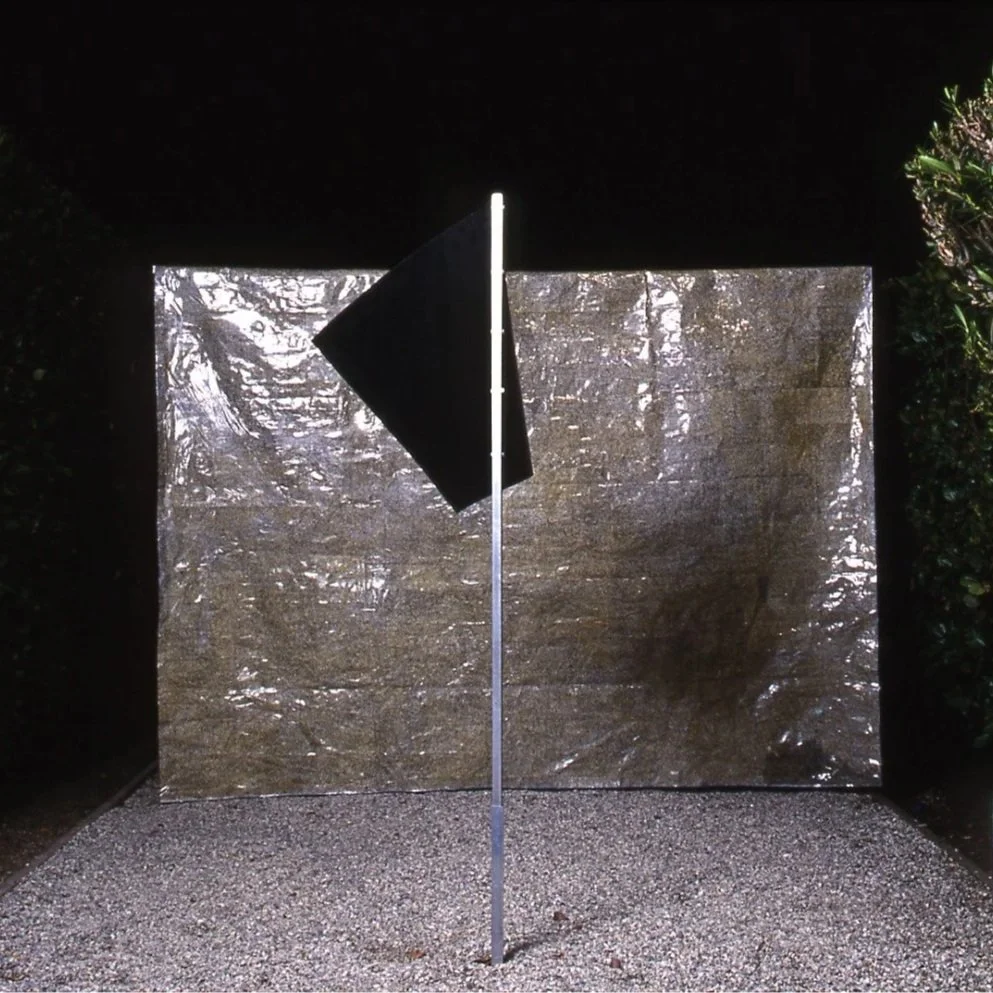
Zlatan Vukosavljevic is a sculptor and installation artist. Born in Yugoslavia, he studied architecture in Belgrade. In 2004, he collaborated with Los Angeles artist Jason Rhoades at the Kunsthause, Graz in Austria. Along with artists Franz West and Heimo Zobernig, Vukosavljevic created the installation Studiolo during the Venice Biennale in 2005. Studiolo was part of the New Festival at Georges Pompidou Center in Paris 2009, and will be part of the New Decor exhibition, curated by Ralph Rugoff, at Hayward Gallery London in June 2010.
Una Szeemann
Una Szeemann’s installations follow material traces and transferences of invisible phenomena. An approach and exploration through the possibilities of parallel thinking and an investigation of unconscious processes.
Solo and group exhibitions include MAN Museo Nuoro, Kunsthaus Zurich, Kunsthalle Winterthur, MASI Lugano, Kunstverein in Hamburg, Belvedere 21 Vienna, Nam June Paik Art Center Seoul, Kunstmuseum Lucerne, Fundació Joan Miró Barcelona, Contemporary Art Center Vilnius and Kunsthalle Vienna. She also exhibited at Manifesta 11, the 5th Busan Biennale in Korea, 3rd Contour Biennale in Belgium, 9th Lyon Biennale and 52nd Venice Biennale.
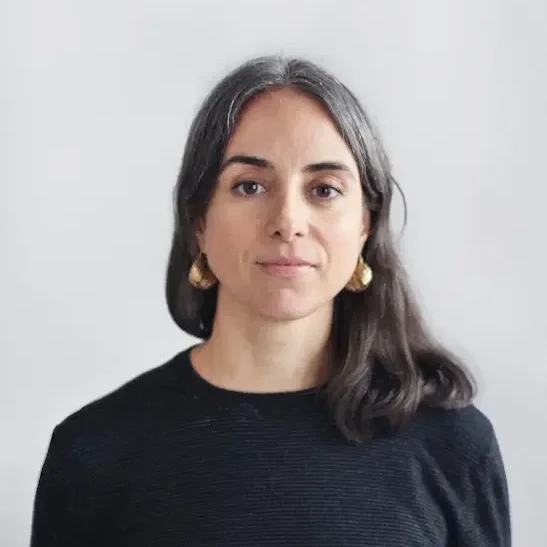
Antonietta Putzu
Antonietta Putzu was born in Zurich and studied architecture at the Academy of Fine Arts Vienna. She was a researcher and lecturer at the Research Unit of Housing and Design at TU Wien. Currently she investigates on the interior as a space of self-representation and social visibility. In her work she contrasts post-war bourgeois ideals of domesticity in Italian design media with everyday images from marginalized groups. Through this visual dialogue, she explores how domestic space reflects and reinforces power, class, and cultural identity. She is also co-editor and author of the publication The Last Grand Tour: Contemporary Phenomena and Strategies of Living in Italy, published by Park Books in 2023.
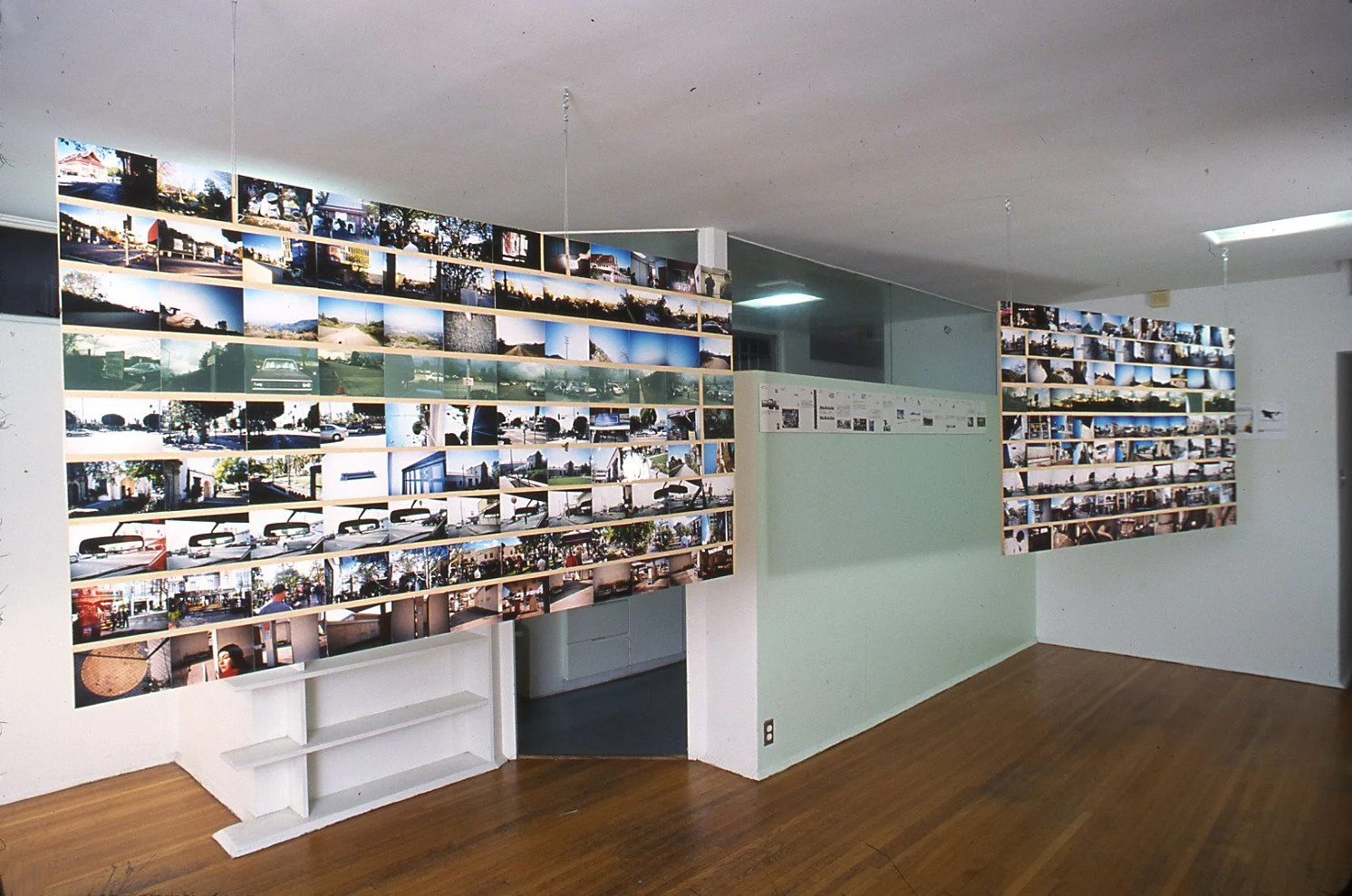
Thomas Gombotz
Thomas Gombotz was born in 1973 in Austria. In 1997, he studied under Nasrine Seraji at the Master School of Architecture at the Academy of Fine Arts Vienna.
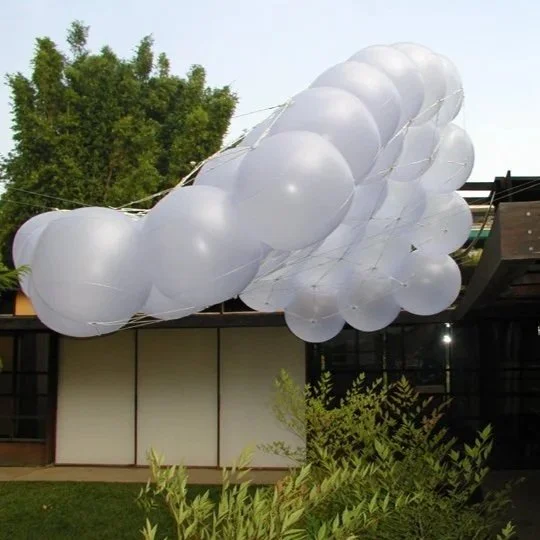
Bernhard Sommer
Bernhard Sommer teaches and researches in the field of Energy Design. He established the Energy Design department at the University of Applied Arts, Vienna, in cooperation with guest Professor Brian Cody. Since 2016, Bernhard Sommer is visiting Professor for Energy Design at the Estonian Academy of Arts.2013, he was guest Professor at the Institute for Experimental Architecture at the University of Innsbruck.Before, he has been an Assistant Professor at the Institute of Building Construction and Design (Prof. Richter) at the University of Technology in Vienna and a researcher and project manager at Hyperbody (Prof. Oosterhuis), University of Technology in Delft, the Netherlands.He is co-founder and principal of EXIKON architecture and energy.He was awarded the Arch -Prize 2000, MAK-Schindlerstipendium in 2002 and the prize for Experimental Tendencies in Architecture 2006.
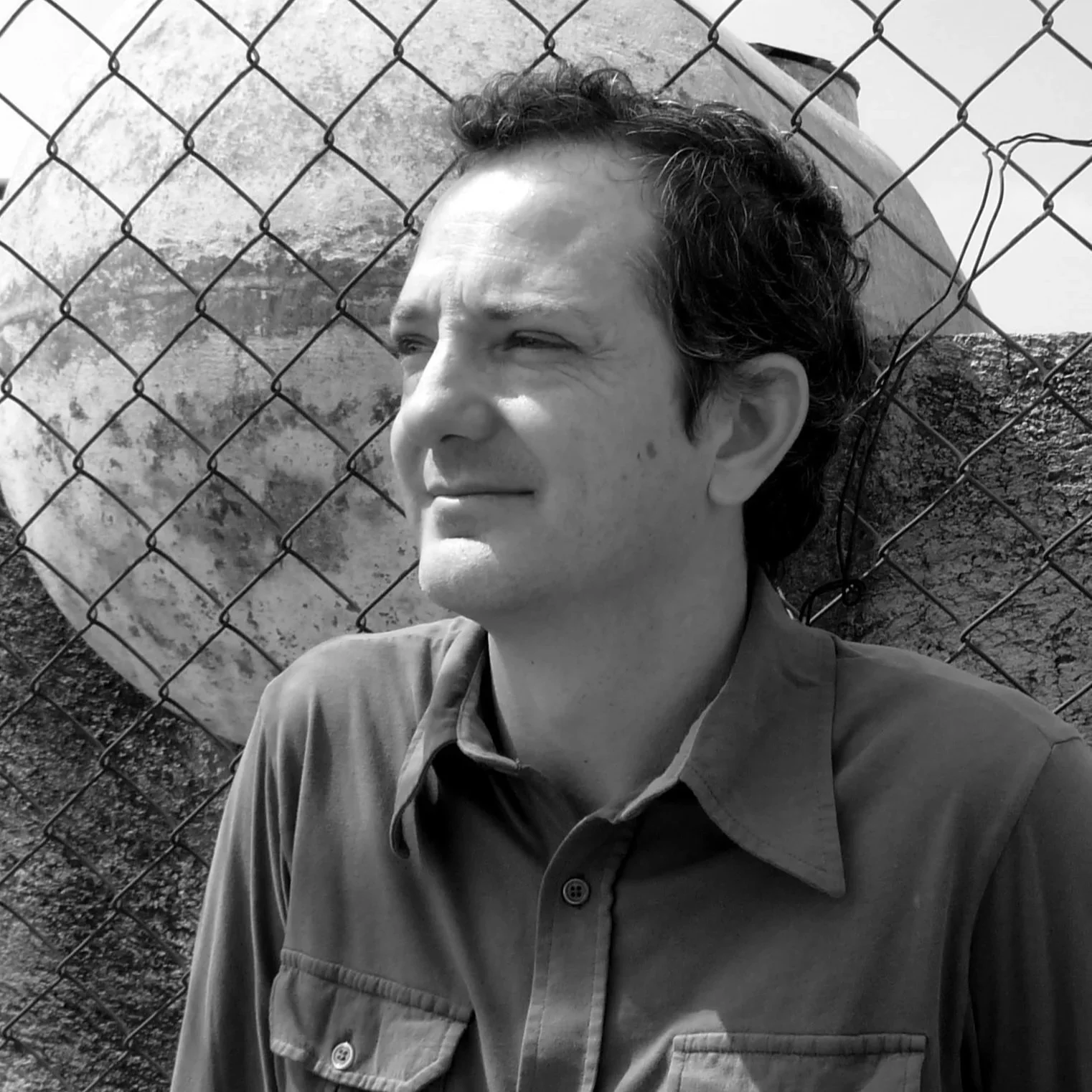
Lorenzo Rocha Cito
Lorenzo Rocha Cito is a Mexican architect whose work focuses on the experimental use of space. He incorporates interdisciplinary practices into his work, allowing him to explore the impact of design and intervention in the spaces he produces. The reactivation of spaces through social use is a recurring theme in the work of architects of his generation. Since 2005, he has been the director of [ESPACIO] contemporary art magazine and a regular contributor to Milenio newspaper. In 2012, he founded Oficina de Arte, an artist residency in downtown Mexico City. He currently teaches at the Architecture Faculty of UNAM.
Mauricio Rafael Duk Gonzáles
Mauricio Duk is an architect, having graduated from Universidad La Salle in 1995. He holds distinctions in local and international competitions, including representing Mexico at the Abacus and City Workshop in Madrid, Spain, in 1998. He has collaborated with renowned architects in Mexico, such as Alberto Kalach and Becker Arquitectos. He combines architectural practice, both in Mexico and the United States, with theoretical discussion through lectures, essays, and installations.
José Pérez de Lama
José Pérez de Lama Halcón Doctor of Philosophy in Architecture and professor of Escuela Técnica Superior de Arquitectura de la Universidad de Sevilla. In 2009 he founded the FabLab Sevilla at the universidad de la ciudad andaluza, which remains being the director. For ten years, with Sergio Moreno and Pablo de Soto, he participated in the hackitectura.net group, undertaking projects in which free technologies, social networks and urban territories were related. His works have been exhibited, among other places, in the ZKM in Karlsruhe and LABoral of Gijón. His latest book is titled Yes, We Are Open! Fabricación digital, tecnologías y cultura libres( (RUBooks, 2014).
Michael Wildmann
Michael Wildmann was born in 1966 in Linz. He received his high school diploma in 1987 from HTBLA (Higher Technical University of Applied Sciences) for Structural Engineering, Goethestrasse, Linz. From 1987 to 1998, he studied architecture at TU Wien (Vienna University of Technology) and McGill University in Montreal. In 1998, he received his diploma from TU Wien under Prof. Alsop. In 2001, he was awarded the Schindler Fellowship through the MAK Artists and Architects-in-Residence Program in Los Angeles. Since 2004, he has been a state-certified and sworn civil engineer and a board member of IG-Architektur.