
Alumni
Filter by Discipline
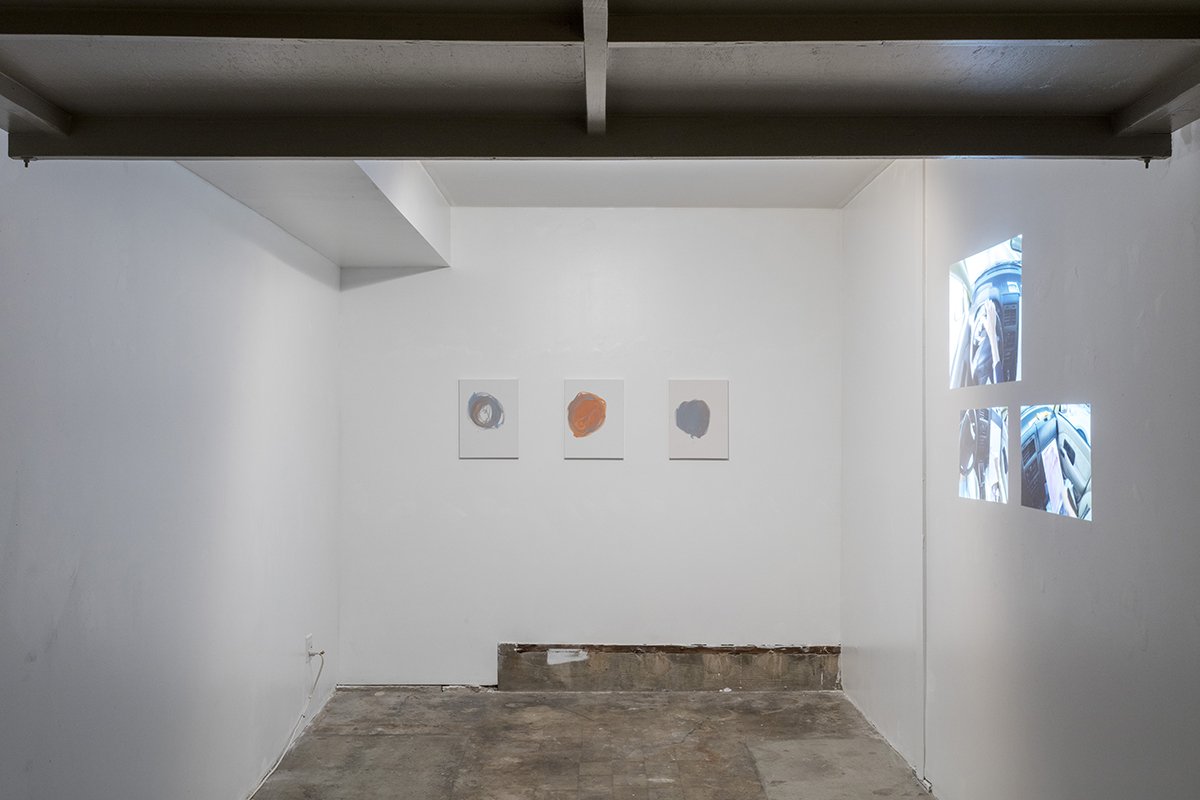
Kerstin von Gabain
Kerstin von Gabain, born 1979 in Palo Alto, California, lives and works in Vienna. She graduated from the Academy of Fine Arts Vienna (2003). Recent solo and duo exhibitions include Imitation, EXILE Vienna (2023); Compliments, Wieoftnoch, Karlsruhe (2021); Umeå, V.esch, Vienna (2021); I’ll see you when I see you, EXILE Vienna (2021); Dark Euphoria, Austrian Museum of Applied Arts, Vienna (2021); Happiness Machines (2020). She has been included in recent group exhibitions at Mumok, Vienna (2022); Neuer Kunstverein Wien, Vienna (2022); Salzburger Kunstverein, Salzburg (2022); Kunstverein Schattendorf, Schattendorf (2020); HAUS Wien 2020, Vienna (2020), among others. She is represented by EXILE Vienna.
Christoph Meier
Christoph Meier (b. 1980, Vienna) studied architecture at the Vienna University of Technology and sculpture at the Academy of Fine Arts Vienna and Glasgow School of Art. His internationally exhibited, installation-based work often engages with architectural and social spaces. Meier has participated in numerous exhibitions, including at the Museum of Applied Arts Vienna, Wiener Festwochen, Portland Institute of Art, Etablissement d’en face Brussels, and the Nam June Paik Art Center Seoul. He has presented solo exhibitions at venues such as Casino Luxembourg, Kiosk Gent, Kunstverein Hamburg, Kunsthaus Graz, and the Vienna Secession.
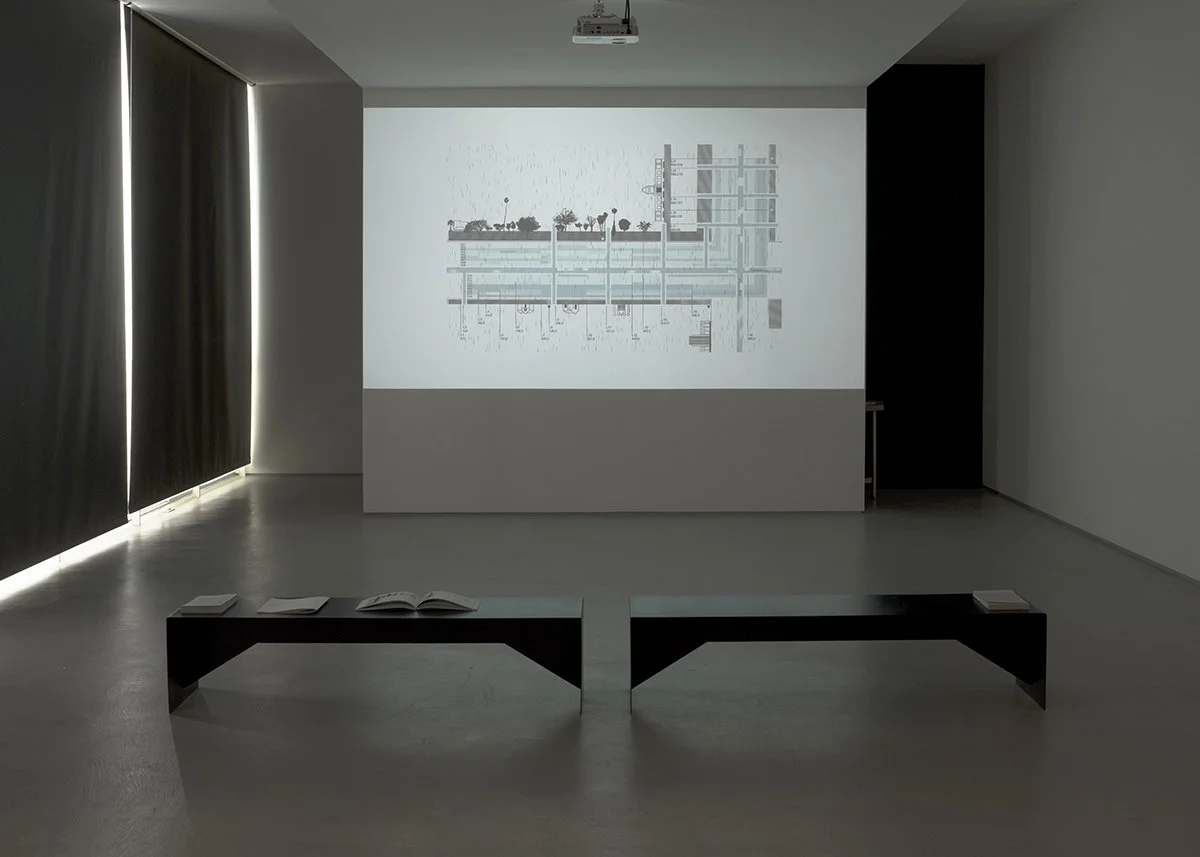
Monica Rizzolli Gomes
Monica Rizzolli is an artist-programmer from Brazil who has been fascinated with parametrically connecting programming with the natural world. She aims to create generative rules that mimic the growth and evolution of organisms and landscapes, an approach that she calls digital morphogenesis. Rizzolli attended IA-UNESP in São Paulo, Brazil, and the Kunsthochschule Kassel, Germany. Rizzolli has exhibited her work globally, including in the US, Brazil, Germany, China and Spain. She has also received several awards and scholarships, including the MAK Schindler Scholarship and the Sweet Home residency by Hablar En Arte, Madrid. Rizzolli also organizes projects celebrating and spreading code art, such as Noite de Processing and Processing Community Day Brasil.
Sofia Porto Bauchwitz
A visual artist and researcher, Sofia Porto Bauchwitz is currently a professor in the area of Theory, Criticism, and History of Art at the Department of Visual Arts, Federal University of Paraíba, Brazil. Her work focuses on creative processes and on (de)disciplining approaches to research. She holds a Master’s degree in Art Research and Creation (2013) and a PhD in Fine Arts (2017), both from the Complutense University of Madrid. Her doctoral thesis, “El Artista Errante y el Discurso como Cartografía en un Contexto Hispano-Brasileño” investigates contemporary artistic practices driven by an errant ethos. Her artistic practice engages with issues of memory, fiction, and the poetics of space. Her works have been exhibited at institutions such as the Arnheim Museum (Netherlands), MAK Center (Los Angeles, USA), Sala de Arte Joven de Madrid (Spain), Eugénio de Almeida Foundation (Évora, Portugal), Zeicheninstitut (Kassel, Germany), and Museo Murillo la Greca (Recife, Brazil), among others. She also writes critical texts and has been featured in exhibition catalogues such as Generaciones 2019 (La Casa Encendida, Spain) and À Nordeste (Sesc 24 de Maio, São Paulo).
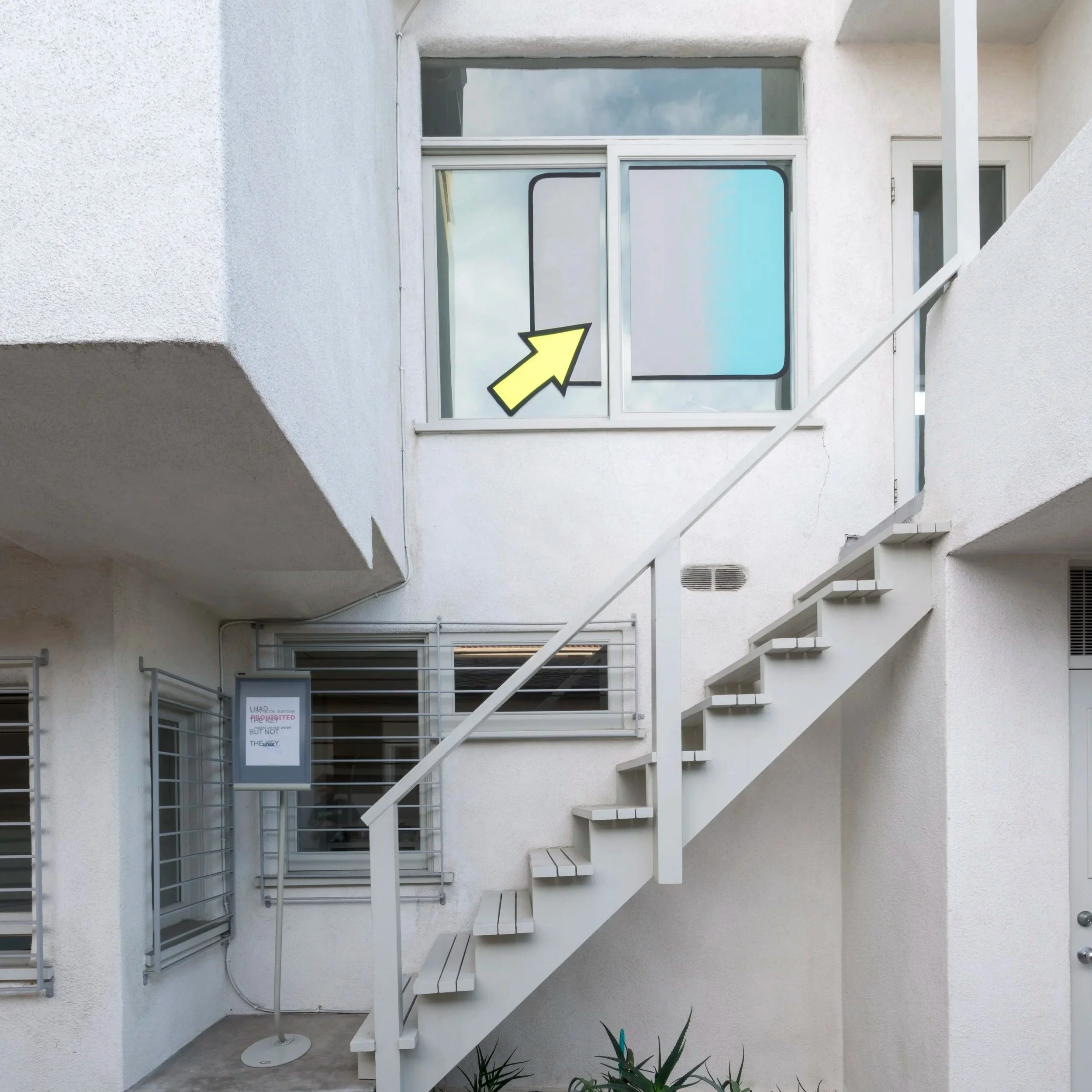
Mirjam Thomann
Mirjam Thomann is an artist and lives in Berlin. She is interested in reflecting on and transcending architectural, social and institutional orders with the means of sculpture, installation, and text. In her works, she uses what is at hand at a certain site as an impetus, as material, space, and terrain, which she expands, supplements or comments on. This activation of what is there is combined with features such as reusability, combinability and movability of materials and fixtures.
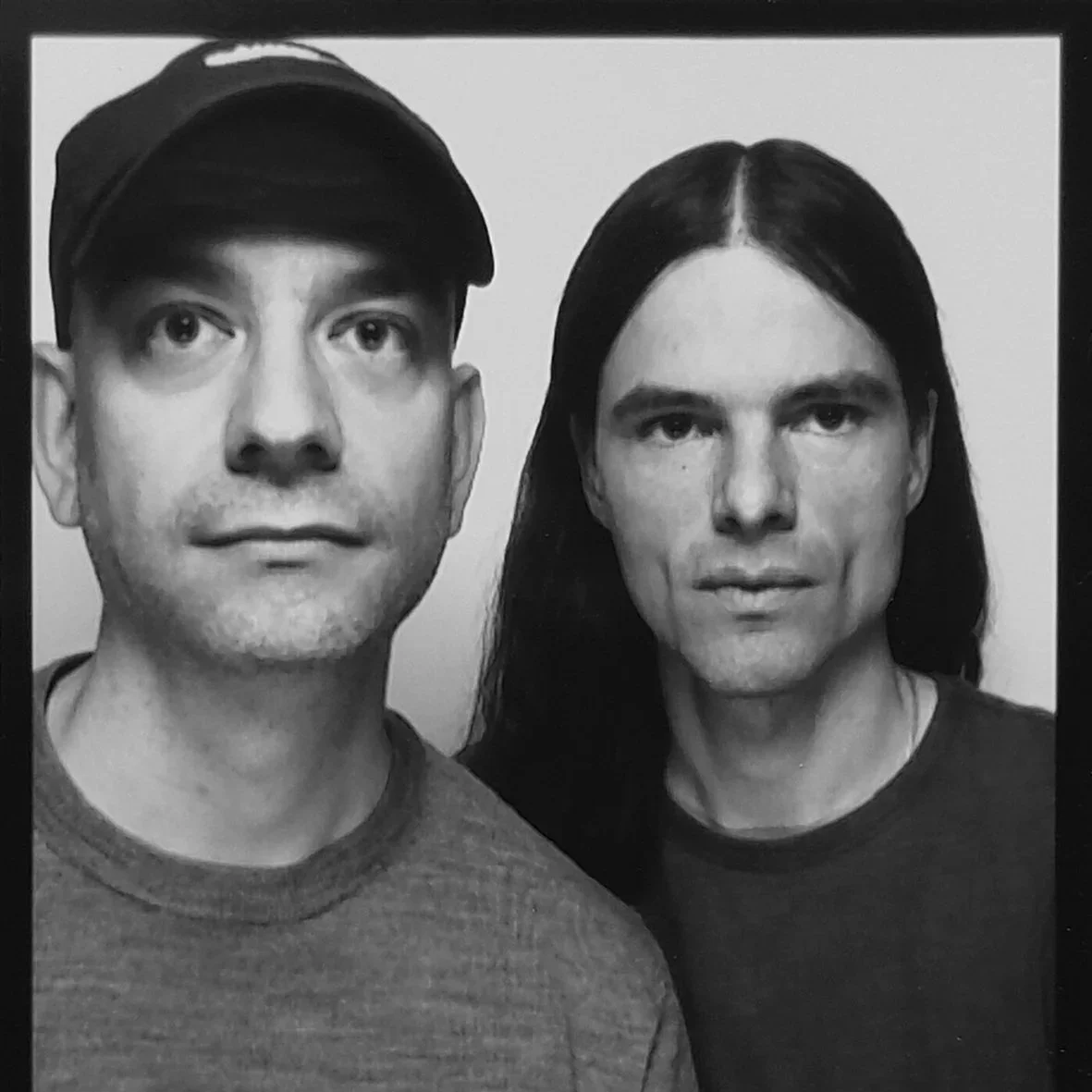
Kristoffer Frick
Since they began working together in 2006, Kristoffer Frick and Eric Bell’s practice has evolved out of an ongoing dialogue and exchange of images, texts, and materials. A collaborative approach based on mutual influences and interests forms the foundation of their work, enabling them to give form to ideas that are not limited to a single artistic perspective. Spanning photography, video, and installation, their practice typically involves the presentation and staging of found objects, ranging from the ordinary to finely crafted cultural artefacts. Drawing from histories of cinema, advertising, and industrial photography, they create pictures that examine the codes and aesthetics of modern representation systems.
Eric Bell
Since they began working together in 2006, Eric Bell and Kristoffer Frick’s practice has evolved out of an ongoing dialogue and exchange of images, texts, and materials. A collaborative approach based on mutual influences and interests forms the foundation of their work, enabling them to give form to ideas that are not limited to a single artistic perspective. Spanning photography, video, and installation, their practice typically involves the presentation and staging of found objects, ranging from the ordinary to finely crafted cultural artefacts. Drawing from histories of cinema, advertising, and industrial photography, they create pictures that examine the codes and aesthetics of modern representation systems.
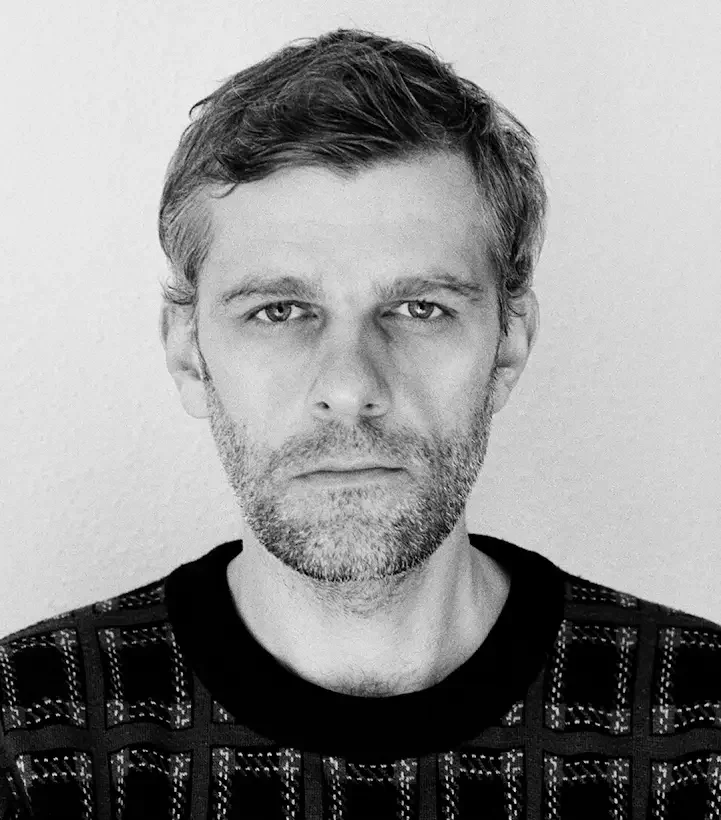
Björn Kämmerer
Björn Kämmerer creates sensuous yet rigorous visual explorations in 16mm, 35mm, and 70mm film, transforming captured imagery into abstract patterns with a strong emphasis on light and shape. Björn Kämmerer has exhibited work at Kunstverein Braunschweig, Germany; Mumok, Austria; MAK Center for Art and Architecture, Los Angeles, among others.

Maria von Hausswolff
Maria is originally from Sweden, and studied in Germany and Denmark, where she currently lives and works. Maria's first narrative feature film was Parents for director Christian Tafdrup.
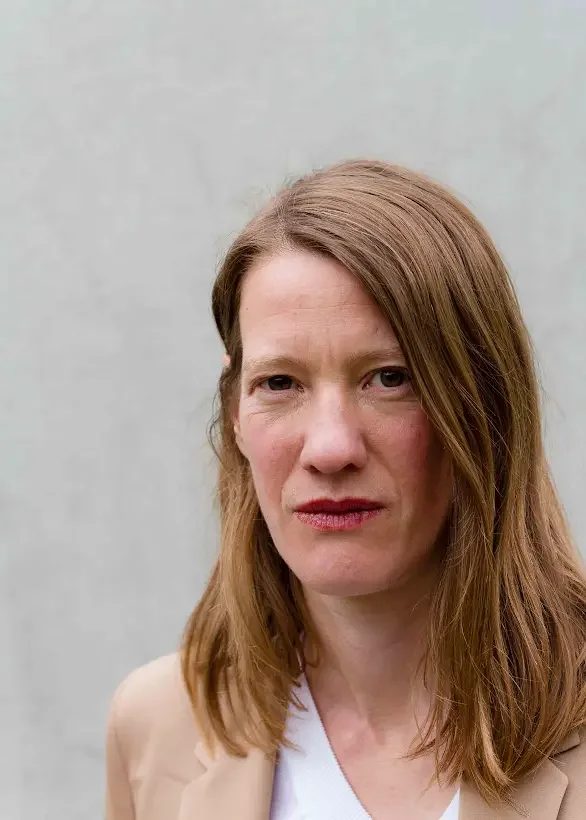
Heidrun Holzfeind
Heidrun Holzfeind is an artist and filmmaker based in Berlin. She studied at the Academy of Fine Arts in Vienna and at Cooper Union in New York.
She is interested in how architecture interacts with people’s everyday life. Her works question immanent architectural and social utopias and explore the relationships between history and identity, individual histories and political narratives of the present.
Christian Mayer
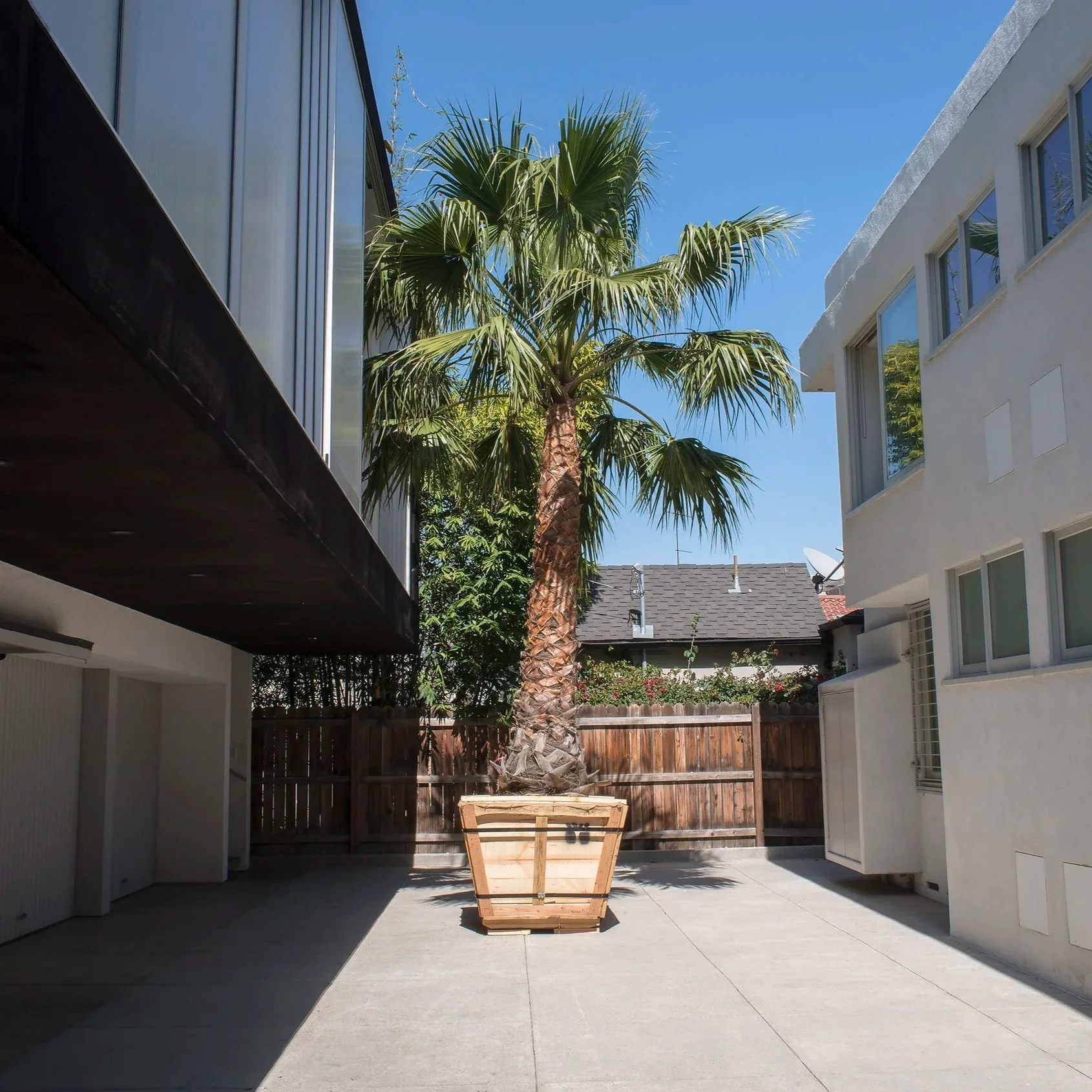
Christian Kosmas Mayer (b. 1976, Sigmaringen, Germany) lives and works in Vienna, Austria. His work produces and preserves a constellation of narratives about historical remains and representations that are often on the verge of disappearing, or have already been rendered imperceptible. Mayer’s projects, which are the outcome of extensive artistic research and close collaborations with specialists across various disciplines, transform the minor, forgotten, and obsolescent into material artifacts, discursive objects, multi-media installations, and performances. Linking technology to memory and care, his practice explores the methods by which important issues can be approached in conceptually and aesthetically surprising ways: techniques of reversal, of compressing and stretching time, of looking at things from both ends at once.
Katrin Hornek
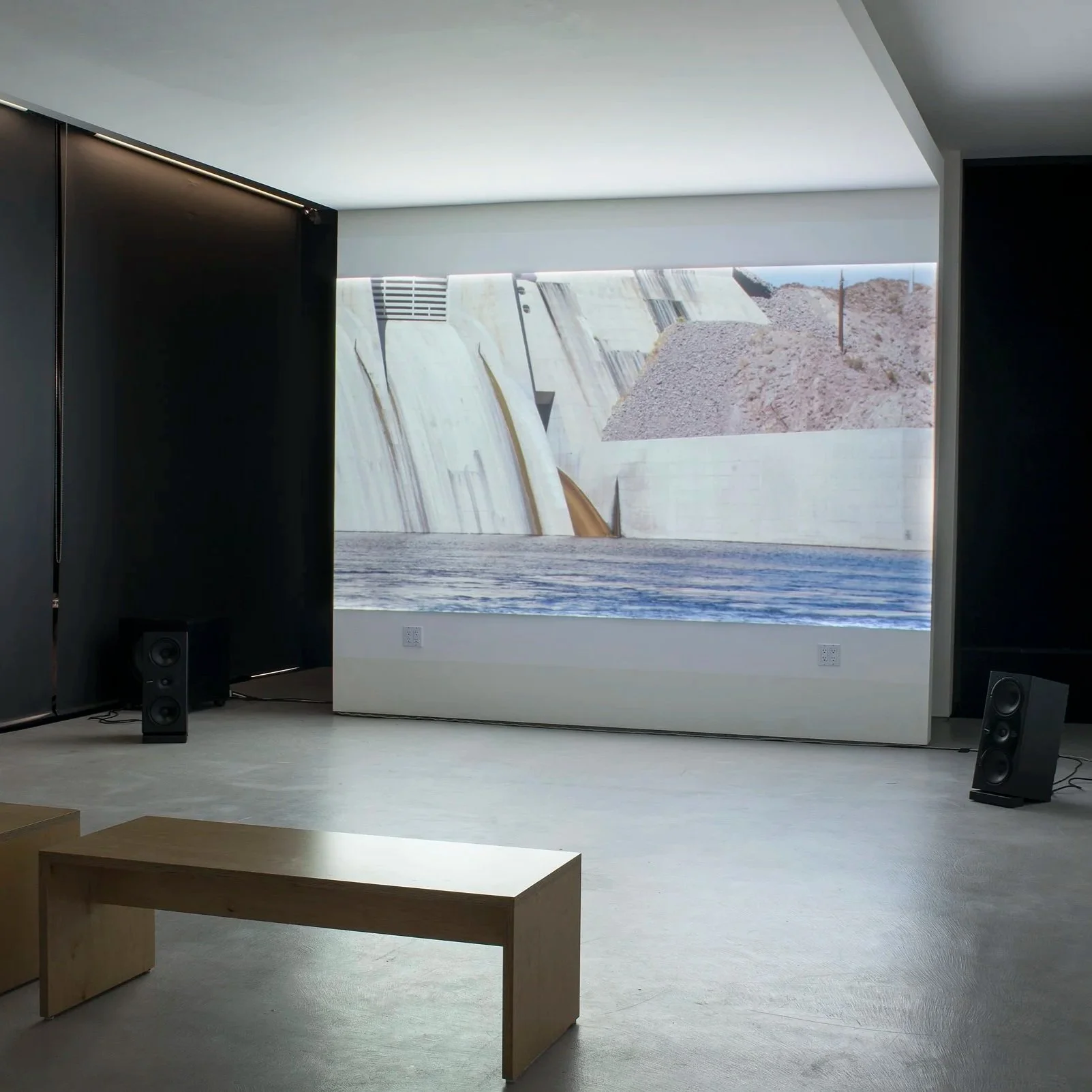
Katrin Hornek (1983) lives and works in Vienna. She studied Performative Art and Sculpture at the Academy of Fine Arts Vienna and the Royal Danish Academy of Fine Arts. Her work playfully engages with the strange paradoxes and convergences of living in the age of the geologic Anthropocene, where the effects of capitalism, colonialism, and extractivism are written into the body of the earth. Both her artistic and her curatorial practice assert an understanding of the entwinement of nature and culture, implicitly arguing for more complex formulations – most recently, at secession, Vienna (2024), ar/ger Kunst, Bolzano (2021), Kunstraum Lakeside, Klagenfurt (2021), the Riga Biennale (2020), Hysterical Mining at Kunsthalle Wien (2019), and I: project space, Beijing (2018).
Anahita Razmi
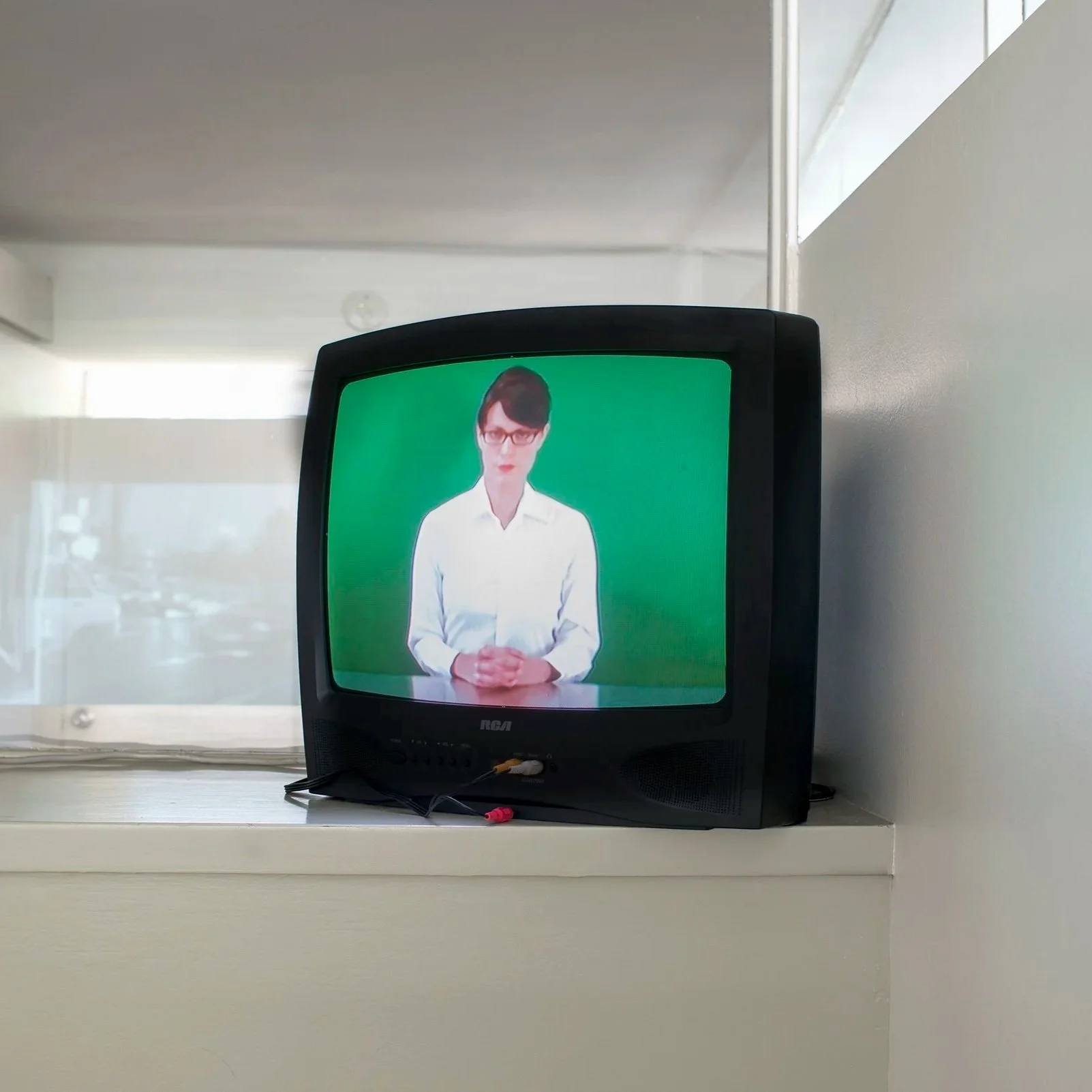
Born in 1981 in Hamburg, Germany, Anahita Razmi is a digital and performance artist. She mines her Iranian cultural heritage and appropriates iconic works of art—particularly those of feminist artists—bringing to them a new Eastern context. She is best known for Roof Piece Tehran (2011), a video installation for which Razmi recreated Trisha Brown’s seminal 1971 work Roof Piece, filming 12 dancers not on the rooftops of New York but on those of Tehran—a reference to the rooftop demonstrations during Iran’s 2009 election protests. “My works are always conceptual and political but they also have a sense of humor,” she has said.
Benjamin Hirte
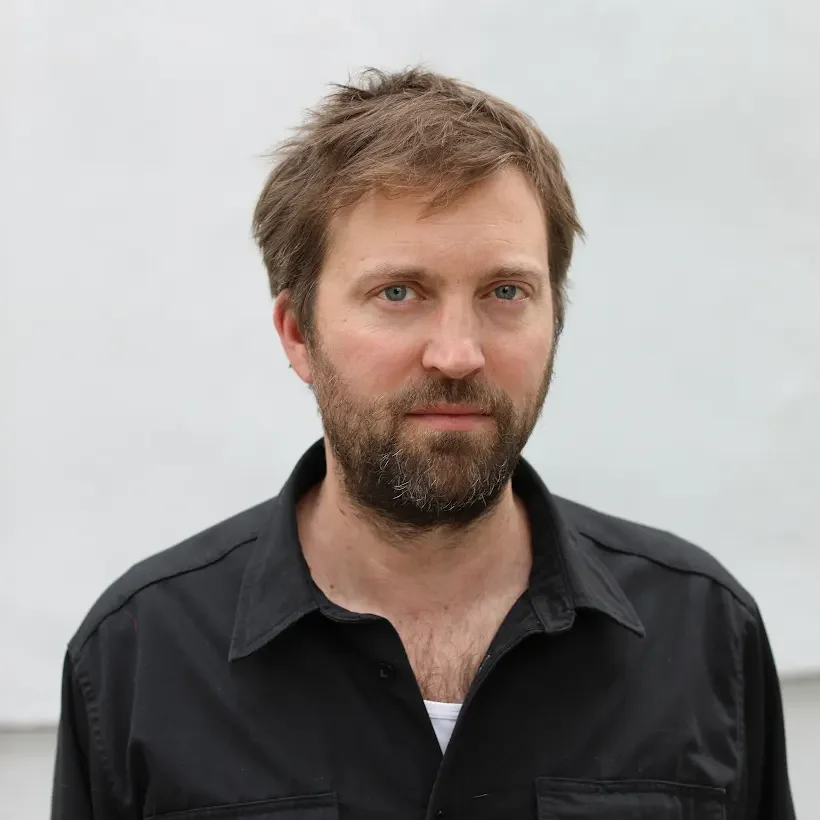
Benjamin Hirte’s work explores cultural history and the construction of public and private space. By modifying signs of use and consumption, his minimalist objects foreground materiality, function, and the coded nature of reality.
Benjamin Hirte, born in 1980 in Aschaffenburg, lives and works in Vienna and Berlin. His artistic practice encompasses sculpture and text. He has been a fellow of the Schindler Residency Program in Los Angeles and the German Academic Scholarship Foundation. He also received the Austrian State Scholarship for Fine Arts and a residency grant at the ISCP in New York.
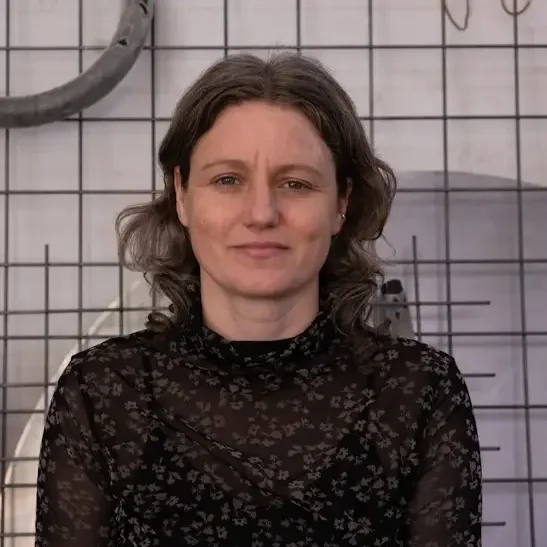
Eva Seiler
Eva Seiler (*1979 in Munich) studied scenography and sculpture at the Academy of Fine Arts Vienna and the Royal Academy of Fine Arts in Antwerp. In her sculptures and spatial settings, she questions anthropocentrism and speculates on how the co-existence of human and non-human animals, nature and technology could be articulated in the future. She embraces hybrid modes of relationship in her practice, using both organic materials and industrially produced fabrics for her objects.
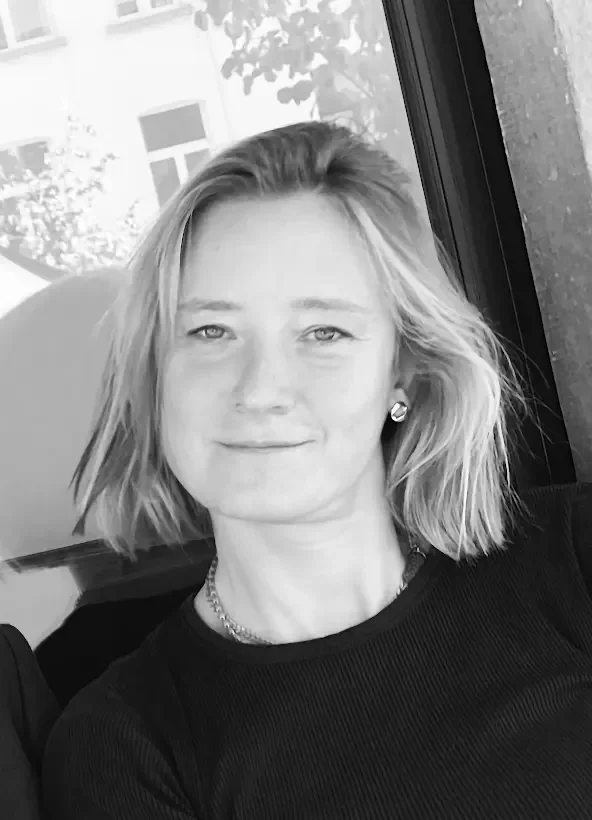
Lucie Stahl
Lucie Stahl is an artist based in Vienna. Her works investigate the abstracted, psychologically fraud, relationship of humans to their environment. She is interested in a culture of extraction, obsessive use and the associated modes of production and consumption –mechanisms of sucking, pumping, flowing and converting liquid raw materials into energy, and how they relate to inner processes.
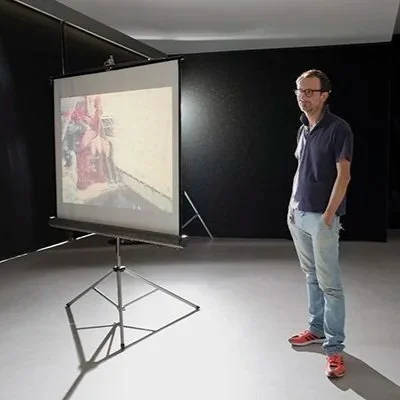
Markus Krottendorfer
Markus Krottendorfer is interested in the fragile foundations of our present, in misconceptions and failed ideas which still managed to give rise to the conquest of the world and which were with us for a while. With his special photographic method, he intervenes in places that still show traces of these often-odd ideas, places that beg questions regarding their (former) utopian potential and the way they resonate with the present.
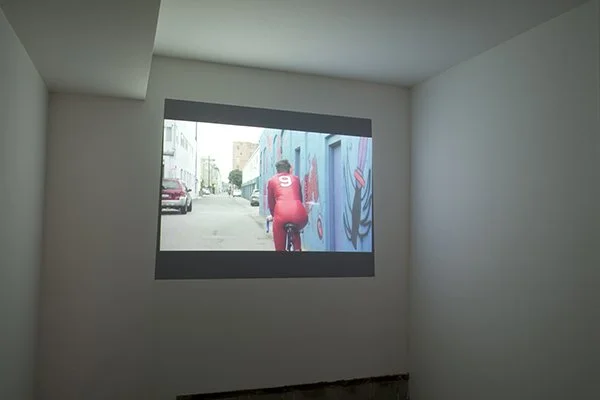
Steffi Alte
Steffi Alte is a visual artist based in Vienna whose practice includes different formats and media, often merging installation with an aspect of participation. She studied fine arts at HfbK Dresden and at the Academy of Fine Arts Vienna.
Kamen Stoyanov
Kamen Stoyanov is an artist based in Vienna and Sofia, working across film, video, performance, installation, painting, and drawing. He studied painting at the National Art Academy in Sofia, visual arts at the Academy of Fine Arts in Vienna, and film directing at New Bulgarian University. In 2024, he premiered his first feature film, "Zvesda," which debuted at the 29th Sofia International Film Festival in March 2025. His short experimental film, "Up and Through," won 'Best Experimental Film' at the Dumbo Film Festival in 2020 and was nominated for Best Experimental Film at the Long Story Shorts Festival in Bucharest.
Johannes Schweiger
Johannes Schweiger (*1973) is an artist and designer based in Vienna, Austria. He studied at the Academy of Fine Arts Vienna.